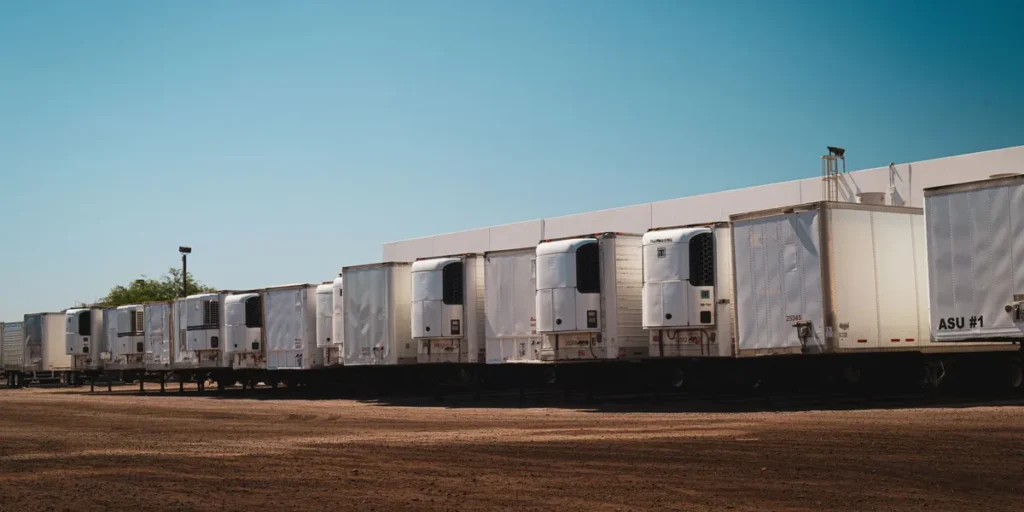
Shipping cargo to Argentina from Dubai is a long-haul journey across two oceans, but it is a well-established trade lane with weekly sailings and regular air connections. Containers leave Jebel Ali Port in Dubai, cross the Indian and Atlantic Oceans with a transshipment on the way, and arrive at the Port of Buenos Aires, Argentina’s main container gateway. Air freight flies to Ezeiza International Airport in Buenos Aires in a matter of days. Whether you are sending household goods, commercial cargo, machinery or personal effects, this guide explains how cargo to Argentina from Dubai works, what it costs, how long it takes, which documents you need and how customs clearance works in Argentina.
Why Ship Cargo to Argentina from Dubai?
Dubai and Argentina trade across a long distance, yet the lane is busy all year. Argentine importers buy machinery, electronics, textiles, building materials and consumer goods from the UAE, while families relocating between the two countries ship household goods and personal effects. Dubai’s position as a re-export hub means a huge range of goods is available at Jebel Ali, and Argentina’s capital Buenos Aires is home to most of the country’s importers and distributors. Sea freight is the economical choice for large or heavy shipments, while air freight suits urgent, high-value or small shipments. A door-to-door service handles pickup in Dubai, export customs, the ocean or air leg, Argentine customs clearance and final delivery, so you deal with one company from start to finish.
Dubai also ships regularly to other long-haul destinations — see our guides to cargo to Mexico from Dubai, cargo to South Africa from Dubai and cargo to USA from Dubai if you are comparing routes.
How Long Does Cargo Take from Dubai to Argentina?
Sea freight from Dubai to Argentina is a long voyage, so plan ahead. A container leaving Jebel Ali typically takes 35 to 50 days port to port, depending on the transshipment port and the sailing schedule, and the full door-to-door journey usually runs 6 to 8 weeks once consolidation, export customs, Argentine clearance and inland delivery are included. A sole-use container is usually a little faster than a shared container because there is no waiting for consolidation. Air freight is far quicker: cargo flown from Dubai to Ezeiza International Airport in Buenos Aires generally arrives in 3 to 6 days airport to airport, and door-to-door air freight usually takes 5 to 8 days including customs clearance at both ends. If your shipment is urgent, air freight is the only realistic option; if it can wait, sea freight saves a large amount of money.
What Does Cargo to Argentina from Dubai Cost?
The cost of shipping to Argentina from Dubai depends on the size and weight of your cargo, the mode of transport, and whether you need door-to-door delivery. As an indicative guide for 2026, a 20-foot container (FCL) from Jebel Ali to Buenos Aires typically costs around USD 1,800 to 2,500 for the ocean freight alone, while a 40-foot container usually runs USD 3,000 to 4,500, before Argentine duty, VAT, terminal charges and delivery. Shared-container (LCL) shipping is priced per cubic metre, commonly around USD 120 to 220 per CBM plus minimum charges and handling fees, which suits smaller shipments that do not fill a container. Air freight is priced per kilo and usually costs around USD 4.50 to 7.50 per kilo for standard service, or USD 7.50 to 12.00 per kilo for express service. A full door-to-door household move of a two to three bedroom home in a shared container typically costs around USD 4,500 to 9,500, including packing, shipping and clearance. These are indicative ranges only: fuel surcharges, peak-season demand, the exact destination city and the cargo type all move the final price, so always ask for a written quote for your exact shipment.
Before you book, compare FCL vs LCL shipping from Dubai to see which container option fits your load, and consider cargo insurance in Dubai for protection against loss or damage on a voyage this long.
Air Freight or Sea Freight to Argentina — Which Is Better?
Choose sea freight when your cargo is large, heavy or not urgent. A full container is the cheapest way to move household goods, furniture, machinery, vehicles or bulk commercial cargo, and a shared container works well for smaller loads that still need an economical rate. Sea freight also handles oversized and heavy items that cannot fly. Choose air freight when speed matters, when the cargo is small and valuable, or when you need a few essential items ahead of a larger sea shipment. Electronics, samples, spare parts, documents and urgent commercial goods travel best by air. Many customers use both: air freight for the essentials and sea freight for the rest. If you are unsure which mode fits your shipment, compare the total door-to-door cost and time rather than the freight rate alone, because port and airport handling, customs and delivery charges apply either way.
Read our comparison of air freight vs sea freight from Dubai before you decide. If you are also weighing other South American routes, our guide to cargo to Chile from Dubai covers the neighbouring lane in the same detail.
Which Ports and Airports Handle Cargo to Argentina?
Almost all container cargo for Argentina arrives through the Port of Buenos Aires, the country’s main container gateway. The port complex includes the Puerto Nuevo terminals and Exolgan at Dock Sud, on the south bank of the river, and both handle containers, general cargo and LCL shipments that are devanned at bonded warehouses before clearance. Other Argentine ports serve specific cargo: Zarate handles vehicles and project cargo, Rosario serves the agricultural heartland up the Parana River, and Bahia Blanca handles bulk and regional cargo. For air freight, Ezeiza International Airport (EZE) in Buenos Aires is the main cargo airport, with regular services from Dubai, usually via Istanbul or Sao Paulo. Your shipment is cleared at the port or airport of arrival and then delivered by road to Buenos Aires or any other Argentine city.
How Does Shipping Cargo to Argentina Work?
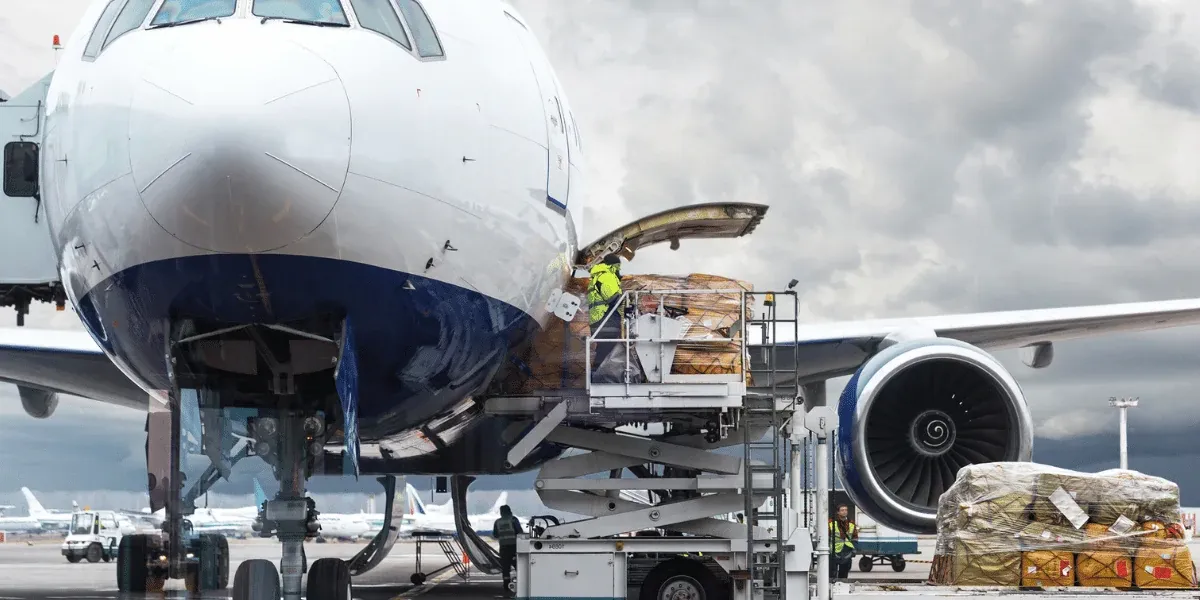
Shipping cargo to Argentina from Dubai follows a clear process. First, request a quote with the cargo details, the pickup address in the UAE and the delivery address in Argentina. Second, we collect your goods, or you deliver them to our Dubai warehouse, and we pack and label them for the long ocean or air journey. Third, we prepare the export documents and book the sailing or flight from Jebel Ali or Dubai International Airport. Fourth, your cargo travels to Buenos Aires, with a transshipment at a hub port on the sea route. Fifth, our destination agent and a licensed customs broker in Argentina clear the shipment through customs. Finally, the cargo is delivered to your door in Buenos Aires or anywhere else in Argentina, and you sign for it. Tracking updates are shared at each stage, so you always know where your shipment is.
What Documents Do You Need to Ship Cargo to Argentina?
Good paperwork is the key to a smooth clearance in Argentina, because customs there is detail-sensitive and every entry is filed electronically. For commercial cargo you will normally need a commercial invoice, a packing list, a bill of lading for sea freight or an air waybill for air freight, and a certificate of origin where the goods or the tariff require it. The Argentine importer needs a CUIT tax number and registration in the Registro de Importadores, and the customs entry must be lodged in ARCA’s Malvina system by a licensed customs broker, known as a despachante de aduana — you cannot clear a commercial shipment yourself. Documents should be in Spanish or accompanied by a Spanish translation, and the invoice values, weights and HS codes must match the physical cargo exactly, because mismatches are the most common cause of delay. For used household goods, the owner needs residency documents and a detailed valued inventory, and the goods may qualify for duty relief under the franquicia for people establishing residence in Argentina.
Export paperwork starts in the UAE, so read our guide to customs clearance in Dubai before your cargo leaves Jebel Ali.
What Are the Customs Rules and Duties in Argentina?
Argentine customs is managed by ARCA, the national customs and revenue agency, and every import must be cleared through a licensed despachante de aduana. Good news for importers: Argentina eliminated import licensing in February 2025, and the old SEDI prior-declaration system was removed, which simplified the process. Even so, customs checks are thorough: officers verify the HS classification, the declared value and the origin documents, and shipments with errors can sit in the port while corrections are made, so sending correct documents before the cargo arrives saves time and storage charges. Import duty depends on the HS code of the goods, and VAT applies on top of the customs value. Used household goods for people moving to Argentina can enter with duty relief when the residency paperwork is in order. You can check current rules on the website of ARCA, Argentina’s customs and revenue agency.
What Can You Ship to Argentina — and What Is Restricted?
Most general cargo ships to Argentina without difficulty: household goods and furniture, electronics, machinery and spare parts, textiles and clothing, building materials, auto parts and commercial goods. Vehicles can be shipped, but they must meet Argentine import rules and the duty and paperwork should be confirmed before booking. Used household goods are allowed for residents and returning citizens with the right documents. Restricted or prohibited items include firearms and explosives, counterfeit goods, certain chemicals and pharmaceuticals, and some food and agricultural products that need special permits. If you are unsure whether your item is allowed, ask before you ship — a rejected item at Buenos Aires costs far more than a question asked in Dubai.
If you are moving home rather than trading, see our guide to shipping personal effects from Dubai.
Where Do We Deliver in Argentina?
Our door-to-door service delivers across Argentina, not just to the capital. After clearance at Buenos Aires, cargo travels by road to Cordoba, Rosario, Mendoza, La Plata, Mar del Plata, Tucuman, Salta, Santa Fe and other major cities. Deliveries to apartment buildings in Buenos Aires need to be planned in advance, because access, lifts and parking all affect the delivery day. If your delivery address is outside the main cities, tell us at quote stage so the inland transport is included in the price and the schedule, rather than arranged as an expensive afterthought.
How Can You Track Your Cargo to Argentina?
Every shipment gets a booking reference and a bill of lading or air waybill number that you can use to follow its progress. Sea containers are tracked by vessel and sailing schedule, with updates at departure from Jebel Ali, at the transshipment port and on arrival at Buenos Aires. Air freight is tracked flight by flight. Our team also shares updates at customs clearance and before final delivery, so you are never guessing where your cargo is. If a sailing is delayed or a transshipment changes, we tell you as soon as the carrier confirms it.
Frequently Asked Questions
How long does sea freight from Dubai to Argentina take?
Sea freight from Jebel Ali to Buenos Aires usually takes 35 to 50 days port to port, and 6 to 8 weeks door to door once consolidation, customs clearance and delivery are included. Air freight takes 3 to 6 days airport to airport.
How much does it cost to ship a container to Argentina from Dubai?
As an indicative guide, a 20-foot container costs around USD 1,800 to 2,500 and a 40-foot container around USD 3,000 to 4,500 for ocean freight alone, before duty, VAT and delivery charges. Shared-container shipping is usually USD 120 to 220 per cubic metre. Ask for a written quote for exact pricing.
What documents are needed for customs clearance in Argentina?
You need a commercial invoice, packing list, bill of lading or air waybill, and a certificate of origin where required. The importer needs a CUIT and registration in the Registro de Importadores, and a licensed despachante de aduana must lodge the entry with ARCA.
Can I ship used household goods to Argentina from Dubai?
Yes. Used household goods for people establishing residence in Argentina can qualify for duty relief under the franquicia, provided the residency documents and a detailed valued inventory are in order and a licensed broker handles the entry.
Is air freight or sea freight better for cargo to Argentina?
Sea freight is better for large, heavy or non-urgent cargo because it costs far less per kilo. Air freight is better for urgent, small or high-value shipments. Many customers use air freight for essentials and sea freight for the rest.