
Choosing between air freight and sea freight is one of the first decisions you face when you ship cargo from Dubai. The right choice affects your cost, your delivery date, and how much risk your goods carry on the way. There is no single best option. The best mode depends on what you are shipping, how fast you need it, and what it is worth.
In this guide, we compare air freight vs sea freight from Dubai for shippers in the UAE. We look at cost, transit time, and the kind of cargo each mode suits. By the end, you should be able to choose with confidence, or to combine both modes for one shipment.
What Is Air Freight from Dubai?
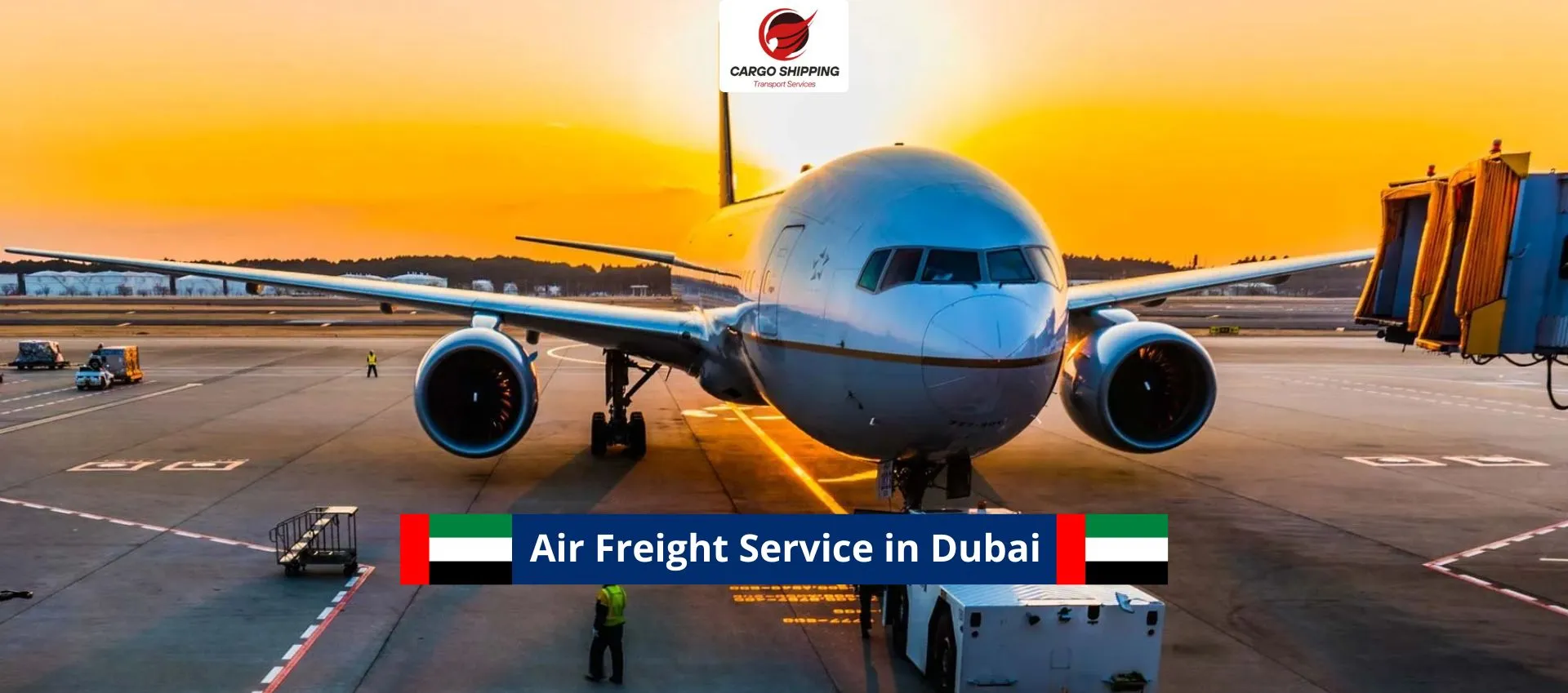
Air freight is cargo carried by plane. From Dubai, most shipments leave through Dubai International Airport (DXB) or Al Maktoum International Airport (DWC). Your goods are collected, packed, documented, and loaded onto a scheduled flight or a freighter service.
Air freight is charged on chargeable weight. That is the greater of the actual weight and the volumetric weight. Airlines use the IATA divisor of 6000, so one cubic metre counts as about 167 kg. A light but bulky box can therefore cost more than its scale weight suggests. Good packing matters, because it keeps the volume down.
Our air freight service in Dubai covers collection, export packing, documentation, and delivery at the other end. It is the mode most people choose when time matters more than the freight rate.
What Is Sea Freight from Dubai?
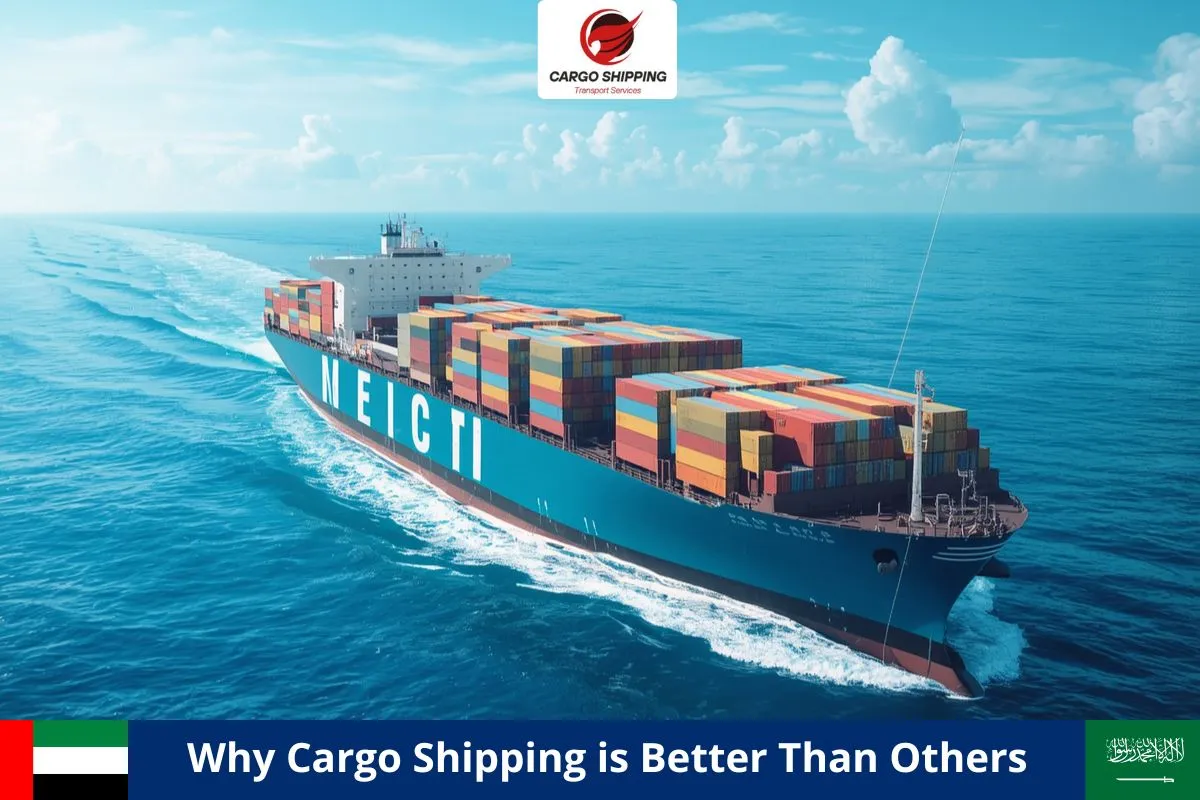
Sea freight is cargo carried by ship. Most Dubai sea cargo leaves through Jebel Ali Port, one of the largest container ports in the region. Goods travel in a full container, known as FCL, or share a container with other shippers, known as LCL.
Sea freight is charged per container for FCL, or per cubic metre for LCL. That makes it far cheaper per kilogram for heavy or bulky goods. A full 20ft or 40ft container can hold a household move, a set of machines, or a vehicle with room to spare.
Our sea freight service handles booking, loading, customs paperwork, and onward delivery. It is slower than air, but for many shipments it is the sensible, economical choice.
What Documents Do You Need for Air and Sea Freight?
Both modes need the same core papers, but the transport document differs. For air freight, you need a commercial invoice, a packing list, an air waybill, and a certificate of origin. For sea freight, you need a commercial invoice, a packing list, a bill of lading, and a certificate of origin. Both need a copy of your trade licence and the correct HS code for each item.
Restricted goods need more. Lithium batteries, aerosols, medicines, food, and some chemicals need permits or airline and carrier approval before they can travel. Air rules are stricter here, so check early. A missing permit can hold a shipment at DXB or Jebel Ali for days.
Keep one set of documents for the whole shipment. Make sure names, values, weights, and HS codes match on every paper. If the invoice says one weight and the air waybill says another, customs will ask questions. Send your documents to your forwarder before the cargo moves, so any error can be fixed while the goods are still in Dubai.
Air Freight vs Sea Freight from Dubai: Cost Comparison
Air freight cost Dubai shippers pay is typically four to six times higher per kilogram than sea freight. That gap is real, but it is not the whole story. You should compare total landed cost, not just the freight rate. That means freight, handling, duty, insurance, and the cost of stock tied up while goods are in transit.
Air freight can save money in other ways. It needs less stock on hand. It reaches the market sooner. It can reduce warehousing and packaging costs. Sea freight rates Dubai importers see are low per unit, yet a slow shipment can mean weeks of capital sitting on the water.
For a small, urgent parcel, air is often cheaper overall once you count speed and certainty. For a full container of furniture or machinery, sea freight wins by a wide margin. Ask for both quotes before you decide. A good Dubai freight forwarding partner will show you both options side by side, so you can see the true difference.
How Much Could a Shipment Cost? A Worked Example
Take a 500 kg shipment of electronics, packed into 2 cubic metres, going to Western Europe. By air, the volumetric weight is 2 times 167, or 334 kg. The chargeable weight is therefore the actual weight, 500 kg. At four to six times the sea rate per kilogram, and with a transit time of two to five days, air is the dearer option, but the goods arrive within the week and the stock is not tied up.
Now take a full 20ft container of household goods or machinery on the same lane. The container is charged as one unit, not per kilogram, and it can carry around 28 tonnes. The sea rate per kilogram is a fraction of the air rate, and the transit time is about 18 to 25 days. For heavy, bulky cargo, sea freight is far cheaper overall, even after port handling and delivery are added.
Insurance is part of the same calculation. Insure both modes for the full value of the goods, usually the CIF value plus a small margin. Air cargo faces handling and delay risks, while sea cargo faces water damage, container handling, and longer exposure. Cargo insurance is normally a small share of the cargo value, and it protects you if goods are lost or damaged. Check what is excluded, declare the value honestly, and keep photos of the packing.
How Long Does Air Freight Take Compared to Sea Freight?
Air vs sea cargo transit time is where the two modes differ most. Air freight from Dubai typically takes one to seven days door to door. Western Europe usually takes two to five days. East Asia usually takes three to six days. Some lanes are faster still when a direct flight is available.
Sea freight usually takes 15 to 45 days, depending on the lane. Western Europe takes about 18 to 25 days for a full container. East Africa takes about 10 to 18 days. These times cover the sea leg and port handling, so door-to-door delivery adds a few days at each end.
That difference matters for planning. If you are sending spare parts to keep a machine running, or medical supplies for a clinic, air freight is the clear choice. If you are moving a household or stocking a warehouse for next season, sea freight gives you time to plan and a much lower bill.
When Should You Choose Air Freight?
Use air freight when speed, value, or sensitivity makes it the right fit. It suits urgent, high-value, and small or dense cargo. Think electronics, medical supplies, perishables, spare parts, samples, and documents. These goods lose value fast if they wait.
Air freight also suits short-notice orders and tight launch dates. If a customer is waiting, or a production line is stopped, a few days can be worth far more than the extra freight cost. Cargo insurance is still wise for air shipments, especially for high-value goods, because it protects you if anything goes wrong in transit.
One caution: restricted goods face tighter air rules. Lithium batteries, aerosols, and some chemicals need special packing, labels, and airline approval. Some items cannot fly at all. Check this before you book, so your shipment is not held at the airport.
When Should You Choose Sea Freight?
Use sea freight when your cargo is heavy, bulky, or high in volume. It suits household moves, machinery, vehicles, building materials, and large stock orders. If weight and size drive the cost, sea freight usually wins.
Sea freight also has a lower carbon footprint per tonne-kilometre than air freight. For businesses that report on emissions, that can matter. It also handles goods that air cannot, including many oversized items and some restricted goods that are allowed by sea with the right documents.
Plan ahead. Book early, allow time for port handling, and keep your documents ready. Sea freight rewards good planning with a low rate and a reliable schedule. For example, a regular lane such as cargo to France from Dubai can be planned around a weekly sailing, with delivery arranged in advance.
Can You Combine Air and Sea Freight?
Yes. Many shippers combine both modes in one plan. You can send an urgent part by air and the rest of the order by sea. You can also use sea-air, where goods travel by sea to a hub and then by air for the final leg. That can cut cost against pure air freight and cut time against pure sea freight.
A combined plan works best when your order can be split. Send what is needed first by air. Send the bulk by sea. Keep both shipments under one plan, with one set of documents and one point of contact. That keeps customs clearance in Dubai simple and avoids confusion at the destination.
Our door-to-door cargo services can arrange this for you. We collect, pack, ship, clear, and deliver, whether your cargo flies, sails, or does a little of both.
Frequently Asked Questions
Is air freight always faster than sea freight from Dubai?
Yes, in almost every case. Air freight usually takes one to seven days door to door, while sea freight takes 15 to 45 days depending on the lane. Air is the right choice when the delivery date cannot move.
How much more does air freight cost than sea freight?
Air freight is typically four to six times more expensive per kilogram than sea freight. The gap is smaller for light, high-value goods and larger for heavy, bulky goods. Always compare total landed cost, not just the freight rate.
When should I use air freight instead of sea freight?
Use air freight for urgent, high-value, small, or perishable cargo, such as electronics, medical supplies, and spare parts. Use it when a delay would cost more than the extra freight charge.
Can I ship a car or household goods by air freight?
You can, but it is rarely sensible. Cars and household goods are heavy and bulky, so sea freight is far cheaper. Air freight is best kept for smaller, urgent, or high-value items.
Do I need insurance for air and sea freight?
Yes, we recommend it for both. Air and sea shipments face different risks, but both can be delayed or damaged. Cargo insurance gives you cover for the full value of your goods while they are in transit.

