Dubai’s heat makes cold chain logistics a necessity, not a luxury. From fresh food and dairy to vaccines and biologics, temperature-sensitive cargo must stay within a precise temperature band from pickup to delivery — and a single break in the chain can spoil a whole shipment. Cold chain logistics in Dubai covers the full journey: refrigerated trucks, reefer containers, warehouse services in Dubai, temperature-controlled storage and live monitoring, all managed by one company. This guide explains what cold chain logistics is, the temperature ranges, how it works in Dubai, what it costs, and how to book it.
What Is Cold Chain Logistics?
Cold chain logistics is the unbroken series of refrigerated storage and transport steps that keep temperature-sensitive products within a safe temperature range from origin to end user. The chain starts when goods are pre-cooled before loading, continues through refrigerated trucks or reefer containers, passes through temperature-controlled warehouses and ports, and ends with delivery at the right temperature.
Every link is monitored: digital sensors record the temperature continuously, GPS tracks the vehicle, and any excursion outside the set range triggers an alarm. If the chain breaks — a warm truck, a delayed handover, a door left open — food spoils, medicines lose their potency, and the shipment can be rejected at the destination. That is why cold chain logistics in Dubai is built around validated equipment, trained drivers and provable temperature logs.
What Temperature Ranges Does Cold Chain Logistics Cover?
The cold chain is not one temperature. It is several bands, and each type of cargo has its own:
- Frozen, −18°C to −25°C: frozen meat, seafood, vegetables, ready meals and ice cream. Once solid, short excursions are recoverable if caught fast.
- Chilled, 0°C to +4°C: fresh meat, dairy, certain pharmaceutical ingredients and fresh produce such as berries and leafy greens. This is the narrowest thermal window.
- Pharma cold chain, +2°C to +8°C: vaccines and biologics, governed by Good Distribution Practice (GDP) guidelines. This is the band most medicines travel in.
- Controlled room temperature, +15°C to +25°C: chocolate, confectionery, fine wines and temperature-sensitive cosmetics.
- Ultra-cold, −60°C to −80°C: certain mRNA vaccines, clinical trial samples and specialty biologics, moved in specialist containers.
Modern reefer containers hold setpoints anywhere from −35°C to +35°C, and reefer trucks in Dubai typically cover −25°C to +25°C with digital precision control. The right band is agreed before booking, and the vehicle is pre-cooled to that temperature before your goods are loaded.
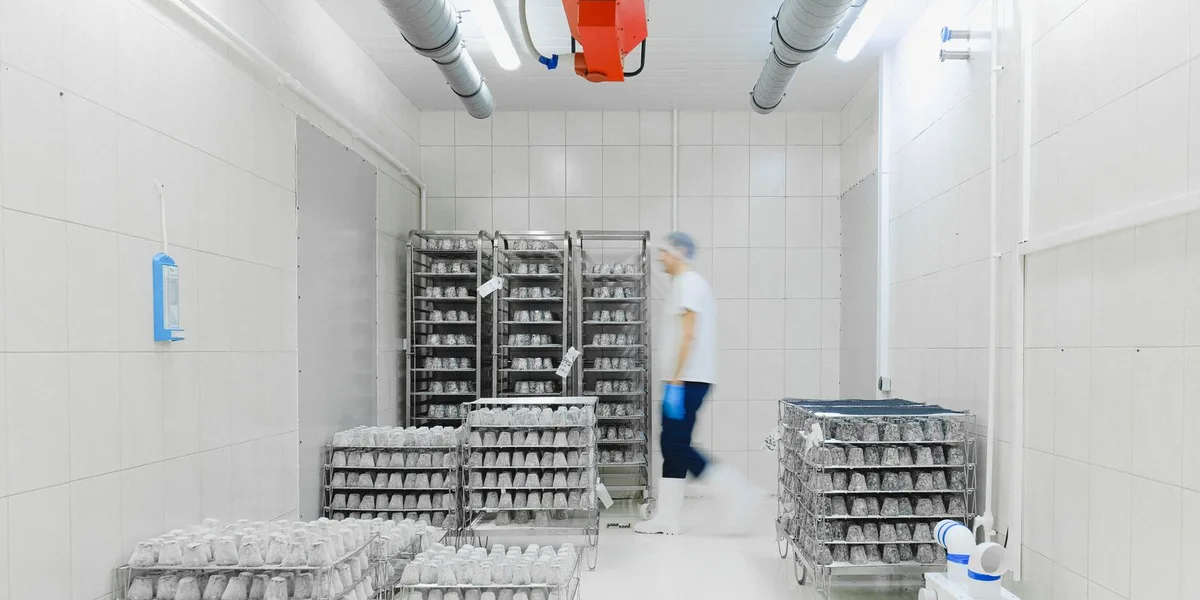
How Does Cold Chain Logistics Work in Dubai?
A cold chain shipment follows five steps. First, the vehicle or container is pre-cooled to the cargo’s required temperature before loading — loading warm goods into a cold truck is the most common cold chain mistake. Second, the goods are collected from your warehouse, factory or supplier in Dubai and loaded quickly to limit exposure to the heat. Third, the shipment travels in a refrigerated truck, reefer container or by air freight, with live temperature monitoring and GPS tracking throughout.
Fourth, at every handover — warehouse, port, airport or border — the goods move straight into another temperature-controlled space, never sitting on a warm dock. Fifth, delivery is made with a calibrated temperature log handed over as proof the chain held. For imports and exports through Jebel Ali Port and Dubai’s airports, the same discipline applies: pre-cooled reefers, priority handling and cold storage at the terminal keep the chain unbroken from origin to destination.
Reefer Trucks, Reefer Containers or Air Freight: Which Option Suits Your Cargo?
Our reefer trucks service in Dubai is the right choice for deliveries across Dubai and the UAE, and for road freight to GCC countries, including road cargo from Dubai to Iraq: 1-ton chiller vans for daily restaurant and pharmacy runs, 3-ton to 10-ton reefer trucks for larger loads, and dual-zone vehicles that carry chilled and frozen goods in one trip. Reefer containers are the economical choice for international sea freight — the 40ft high-cube reefer carries over 90% of the world’s reefer container volume, and it suits large food and pharma shipments from Jebel Ali Port.
Air freight is the fast option for urgent or high-value cold chain cargo: vaccines, biologics and premium fresh produce fly from Dubai in days, with dedicated pharma handling at the airport. Many shipments use a combination — a reefer truck to the port or airport, then a reefer container or a temperature-controlled aircraft — with the temperature log covering the whole journey. If you are choosing between the two modes, our comparison of air freight vs sea freight from Dubai explains the cost and transit-time trade-offs.
What Can You Ship with Cold Chain Logistics in Dubai?
Almost any temperature-sensitive cargo travels well in the cold chain: fresh fruit and vegetables, dairy products, fresh meat and seafood, frozen food and ice cream, vaccines and other pharmaceuticals, flowers, chocolate and temperature-sensitive cosmetics. Restaurants, hotels, supermarkets, cloud kitchens, dairy producers, food importers and pharma distributors are the most regular users. Dangerous or restricted goods need advance approval, so always declare the exact nature of your cargo when you book. Some pharma shipments also need GDP-aligned handling with validated equipment and calibrated monitoring, so share the exact temperature band and handling requirements when you book and your cold chain logistics in Dubai provider will confirm what applies.
How Much Does Cold Chain Logistics in Dubai Cost?
The price depends on the vehicle or container size, the temperature band, the distance, and whether you need storage as well as transport. As a guide, a 1-ton chiller van in Dubai is advertised from around AED 250 per day, with larger vans and refrigerated trucks on rent priced by payload and route. A reefer container is priced per container for sea freight, and air freight cold chain is priced per kilo — which is why air suits small, urgent loads and sea freight suits large ones.
Our storage service in Dubai provides temperature-controlled storage, usually priced per pallet per day. For high-value pharma and food shipments, cargo insurance in Dubai is available to cover the full journey. Because rates move with fuel prices, season and demand, the most reliable price is a written quote for your exact shipment. Share what you are sending, the temperature it needs, the weight and the destination, and you will receive a clear quote that includes pickup, transport, storage and monitoring — with no hidden charges.
What Documents and Rules Apply for Cold Chain Cargo?
For a smooth journey, prepare a commercial invoice, a packing list, and a certificate of origin where required. Food shipments need HACCP-aligned handling, and pharma shipments need GDP-aligned transport with validated equipment and calibrated temperature monitoring — the temperature log must be available for audit by the health authorities. Dubai Municipality rules apply to food transport, and wooden packaging must meet ISPM 15 treatment standards for international shipments.
Your logistics company files the UAE export declaration, prepares the transport documents and coordinates customs clearance in Dubai as part of our international freight forwarding UAE service. Every name, value and quantity on the documents must match exactly, because mismatched paperwork is what holds cargo at the port. Declare the temperature band and any handling requirements honestly at booking time.
How to Book Cold Chain Logistics in Dubai?
Booking takes four simple steps. First, share your shipment details — what you are sending, the temperature it needs, its weight and size, and the delivery address. Second, receive your quote and confirm the booking. Third, we pre-cool the vehicle or container, collect the cargo from your warehouse, factory or supplier in Dubai and load it under temperature control. Finally, the shipment travels with live temperature monitoring and GPS tracking, and is delivered with a calibrated temperature log as proof the cold chain held from pickup to delivery.
Frequently Asked Questions
Q1. What temperature can refrigerated trucks in Dubai hold?
Refrigerated trucks in Dubai typically hold from −25°C to +25°C with digital precision control: chiller mode for fresh goods at +2°C to +8°C, freezer mode at −18°C to −25°C for frozen goods, and a pharma mode at +2°C to +8°C.
Q2. What is the difference between chilled and frozen cargo?
Chilled cargo is kept cool but not frozen, usually +2°C to +8°C for fresh produce, dairy and medicines. Frozen cargo is kept at −18°C or below for frozen food, ice cream and seafood.
Q3. Do you provide temperature logs for cold chain shipments?
Yes. Digital sensors record the temperature continuously, and a calibrated temperature log is handed over on delivery as proof the cold chain held. The log is available for audit by the health authorities.
Q4. Can you deliver chilled goods the same day in Dubai?
Yes. Same-day dispatch is usually possible within 2–4 hours anywhere in the UAE, subject to vehicle availability. Book early for peak times and large loads.
Q5. How much does cold chain logistics in Dubai cost?
The cost of cold chain logistics in Dubai depends on the vehicle or container size, the temperature band and the distance. A 1-ton chiller van is advertised from around AED 250 per day. Share your shipment details for a free, no-obligation quote.