
Cargo to South Africa from Dubai is a busy trade lane for businesses and individuals moving goods between the United Arab Emirates and southern Africa. Whether you are exporting machinery from Jebel Ali to Johannesburg, sending textiles to Cape Town, or relocating household goods to Durban, the right freight choice depends on weight, volume, urgency and budget. This guide explains shipping to South Africa from Dubai in full: air and sea freight options, realistic Dubai to South Africa cargo cost guidance, transit times, the ports and airports that handle the trade, the documents South African customs require, and the step-by-step process from collection in Dubai to delivery in South Africa.
What Is Cargo to South Africa from Dubai?
Cargo to South Africa from Dubai means any consignment carried from the UAE to South Africa by air or by sea, cleared through customs in both countries and delivered to the receiver. Most cargo leaves Dubai by air from Dubai International Airport (DXB) or Al Maktoum International Airport (DWC), or by sea from Jebel Ali Port. From there it travels down the east coast of Africa or around the Cape, usually with a transhipment in the Middle East or Asia, before arriving at a South African port or airport.
A freight forwarder in Dubai books the space, prepares the paperwork, arranges export clearance in the UAE and works with a partner in South Africa for import clearance and final delivery. Typical cargo on this route includes general merchandise, textiles and garments, electronics, auto parts, machinery, building materials, food products, personal effects and commercial samples. South Africa is the most industrialised economy in Africa, with strong mining, manufacturing, automotive and retail sectors, so demand for shipping to South Africa from Dubai remains steady throughout the year.
Air Freight to South Africa from Dubai or Sea Freight: Which Should You Choose?
The choice between air freight to South Africa from Dubai and sea freight comes down to speed against cost. Air freight is the fast option. A shipment collected in Dubai can reach O. R. Tambo International Airport in Johannesburg, Cape Town International Airport or King Shaka International Airport in Durban in about 4 to 7 days door to door, including export clearance, flight time, import clearance and local delivery.
Air freight suits urgent orders, high-value goods, samples, electronics and consignments under about 500 kg where speed matters more than the higher rate. Sea freight is the economical option for larger loads. A full container or a shared container (LCL) sailing from Jebel Ali to Durban or Cape Town takes considerably longer, but the cost per kilogram or per cubic metre is far lower. Sea freight suits furniture, machinery, bulk goods, vehicles and any shipment over 2 cubic metres that is not time-critical.
Many regular exporters use a mix: air freight for urgent replenishment and sea freight for planned stock. Our guide to air freight vs sea freight from Dubai explains the trade-offs in more detail, and our comparison of FCL vs LCL shipping from Dubai will help you decide between a full container and a shared one.
Which Ports and Airports Handle Cargo to South Africa from Dubai?
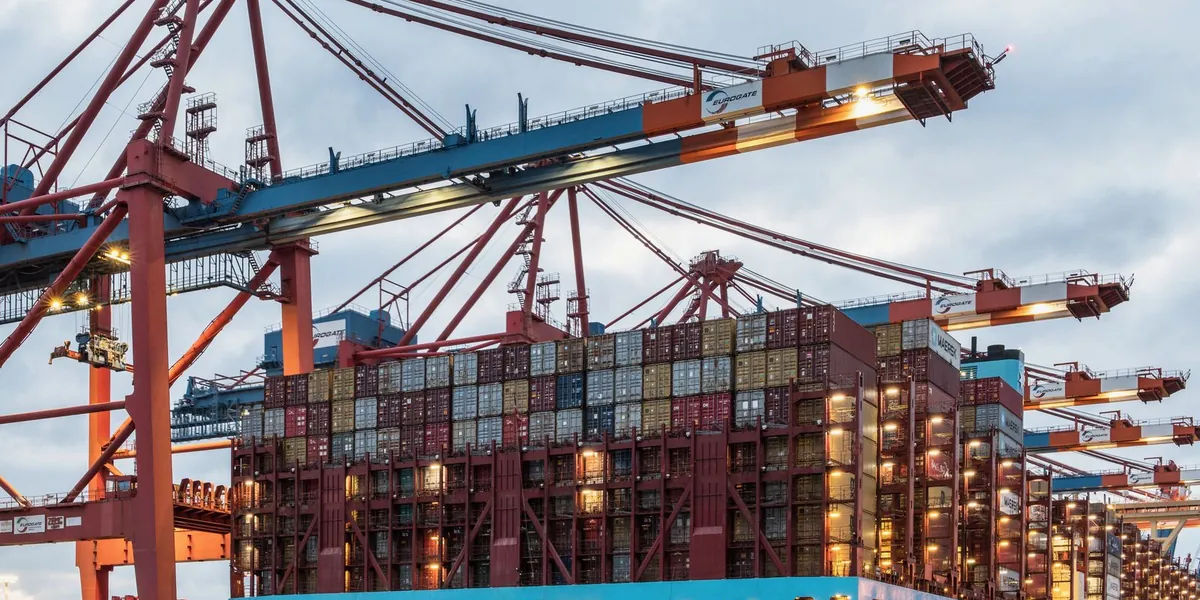
Sea freight to South Africa arrives mainly through three ports. Durban, on the east coast, is South Africa’s largest and busiest container port and the natural gateway for cargo bound for Johannesburg, Pretoria and Gauteng province. Cape Town, on the south-west coast, serves the Western Cape and is the main port for cargo bound for Cape Town and the surrounding region. Port Elizabeth, now officially Gqeberha, on the south coast, serves the Eastern Cape, including its automotive industry, and the nearby deep-water port of Ngqura handles larger vessels.
Durban Cape Town cargo delivery is therefore planned around the final destination: Durban for Gauteng and KwaZulu-Natal, Cape Town for the Western Cape, and Port Elizabeth or Gqeberha for the Eastern Cape. Air freight arrives mainly at O. R. Tambo International Airport in Johannesburg, with Cape Town International and King Shaka International in Durban handling regional cargo. For cargo to other parts of Africa, our page on cargo to Kenya from Dubai covers East Africa, and our guide to cargo to Mexico from Dubai covers a similar long-haul route to Latin America.
How Much Does Cargo to South Africa from Dubai Cost?
Dubai to South Africa cargo cost depends on the mode, weight or volume, route, season and the service level you choose. Air freight is charged on chargeable weight, which is the greater of actual weight and volumetric weight. Sea freight is charged per container or per cubic metre for shared loads. As a guide, air freight to South Africa from Dubai typically costs about AED 16 to AED 34 per kilogram for general cargo. Sea freight is usually far cheaper per unit: LCL sea freight commonly costs about AED 400 to AED 850 per cubic metre, a 20ft container typically costs about AED 8,500 to AED 14,500 port to port, and a 40ft container typically costs about AED 13,000 to AED 22,000, depending on the port, the carrier and the time of year.
Those figures are indicative only. Fuel surcharges, peak-season rates, transhipment costs, port handling, customs brokerage and delivery in South Africa are charged in addition, so always ask for a door-to-door quotation for your exact shipment. Rates rise before Christmas, during peak retail seasons and when space is tight. They fall when you book early and can be flexible on sailing dates. To keep costs down, pack efficiently to reduce volumetric weight, consolidate several orders into one shipment, and choose sea freight for anything that is not urgent. Cargo insurance in Dubai is a separate, modest cost that is well worth considering for valuable goods, because carrier liability alone rarely covers the full value of a lost or damaged shipment.
How Long Does Sea Freight to South Africa Take?
Sea freight to South Africa transit time from Jebel Ali is typically 22 to 30 days port to port to Durban, and 28 to 35 days to Cape Town, depending on the route and transhipment. Port Elizabeth or Gqeberha usually takes about 26 to 33 days. Door-to-door sea freight adds a further 5 to 10 days for export clearance, consolidation, South African customs clearance and inland delivery, so plan on 28 to 45 days in total for a door-to-door sea shipment.
Air freight is much faster: 4 to 7 days door to door is typical, with 2 to 4 days for the flight and handling and 2 to 3 days for clearance and delivery. Transit times can lengthen during peak seasons, port congestion, bad weather or customs inspections, so build in a buffer for important deadlines. A good forwarder will give you a sailing schedule, a tracking number and an estimated arrival date, and will warn you early if a vessel is delayed.
What Documents Are Needed for South Africa Customs Clearance?
South Africa customs clearance is handled by the South African Revenue Service (SARS) and by licensed customs clearing agents. The importer in South Africa must have an importer code, and most commercial shipments need a clearing agent to submit the customs declaration, known as the SAD 500. Getting the documents right before the cargo leaves Dubai avoids delays, storage charges and fines at the South African port.
- Commercial invoice, showing the seller, buyer, description, quantity, unit value, total value, currency, Incoterms and country of origin.
- Packing list, showing the contents, weight and dimensions of each package.
- Bill of lading for sea freight or air waybill for air freight, issued by the carrier.
- Certificate of origin, where a preferential rate or a specific product rule applies.
- Importer’s SARS customs code and clearing agent details in South Africa.
- Product-specific permits or certificates for regulated goods, such as food, medicines, chemicals, electronics or vehicles.
- Insurance certificate, if the shipment is insured.
All values must be accurate and consistent across documents, because SARS checks declared values carefully and under-declaration can lead to penalties. Duties and VAT are charged on most commercial imports, and the rates depend on the product and its tariff classification. Our guide to customs clearance in Dubai for cargo explains the UAE export side, while your forwarder and the South African clearing agent should confirm the exact SARS requirements for your product before you ship.
What Can You Ship to South Africa from Dubai?
Most general cargo can be shipped to South Africa from Dubai without difficulty, including consumer goods, textiles, electronics, machinery, spare parts, furniture, building materials and food products that meet South African import rules. Personal effects, household goods and gifts are also common, provided they are packed and declared correctly. Vehicles, including cars and motorcycles, can be shipped by container or roll-on roll-off, subject to South African vehicle import rules and taxes, so check these before booking.
Some goods need special handling. Dangerous goods shipping from Dubai covers flammable, corrosive and other hazardous cargo, which needs correct classification, packaging and documentation. Cold chain logistics in Dubai is the right service for temperature-sensitive food and pharmaceuticals. Project cargo from Dubai handles oversized machinery and industrial equipment that does not fit in a standard container. Restricted and prohibited items, including certain chemicals, weapons, counterfeit goods and some agricultural products, either need a permit or cannot be shipped at all, so always declare the true contents of your shipment.
How Does Cargo to South Africa from Dubai Work?
Shipping cargo to South Africa from Dubai follows a clear process. First, request a quotation with the collection address in Dubai, the delivery address in South Africa, the weight and dimensions of each package, a description of the goods and their value. Your forwarder will then recommend air or sea freight and confirm the rate, transit time and documents needed. Next, the cargo is collected or delivered to the warehouse in Dubai, where it is checked, weighed, measured and packed or palletised for export.
Export customs clearance in the UAE is then completed, and the shipment is booked on the next available flight or sailing. Once the cargo is in transit, you receive a tracking number for the air waybill or bill of lading, so you can follow its progress. On arrival in South Africa, the clearing agent submits the SAD 500, pays any duties and VAT on your behalf if agreed, and arranges release from the port or airport. Finally, the cargo is delivered by truck to the receiver’s door in Johannesburg, Cape Town, Durban or elsewhere in the country.
For a smooth shipment, confirm the importer’s details, the delivery address and who pays duties before the cargo leaves Dubai. If you are new to international shipping, our guide to international freight forwarding in the UAE explains how a forwarder manages each of these steps for you.
Which Areas in South Africa Does Cargo from Dubai Cover?
Cargo from Dubai can be delivered across South Africa, not only to the main ports and airports. Door-to-door delivery covers Johannesburg and Pretoria in Gauteng, Cape Town and the Western Cape, Durban and Pietermaritzburg in KwaZulu-Natal, Port Elizabeth and Gqeberha in the Eastern Cape, Bloemfontein in the Free State, and Nelspruit in Mpumalanga. Inland transport from Durban or Cape Town is by truck or rail, and delivery times depend on distance from the port. Remote areas may take an extra day or two and cost a little more, so include the full delivery postcode in your quotation request.
Businesses shipping regularly to South Africa often set up a repeat schedule, with sea freight for bulk stock and air freight for urgent orders. If your trade also reaches Latin America, our guide to cargo to Mexico from Dubai covers a similar long-haul route with its own ports, costs and customs rules. Within Europe, we also ship to the Netherlands from Dubai, Austria from Dubai and Portugal from Dubai, and our guide to cargo to USA from Dubai and our page on cargo to Canada from Dubai cover North America.
Frequently Asked Questions About Cargo to South Africa from Dubai
How long does cargo to South Africa from Dubai take?
Air freight usually takes 4 to 7 days door to door, while sea freight usually takes 28 to 45 days door to door, including customs clearance and inland delivery. Port-to-port sea freight alone is typically 22 to 30 days to Durban and 28 to 35 days to Cape Town.
How much does it cost to ship cargo to South Africa from Dubai?
Air freight typically costs about AED 16 to AED 34 per kilogram, LCL sea freight about AED 400 to AED 850 per cubic metre, a 20ft container about AED 8,500 to AED 14,500 and a 40ft container about AED 13,000 to AED 22,000 port to port. The final price depends on weight, volume, route, season and the delivery address, so request a door-to-door quotation for an exact figure.
What documents do I need to ship cargo to South Africa?
You need a commercial invoice, a packing list and a bill of lading or air waybill. A certificate of origin is needed where it applies, and the South African importer needs a SARS customs code and a licensed clearing agent to submit the SAD 500. Regulated goods need extra permits, so confirm the requirements for your product before shipping.
Can I ship personal effects to South Africa from Dubai?
Yes, personal effects and household goods can be shipped by air or sea, provided they are packed securely, listed on a detailed packing list and declared honestly. Used household goods may qualify for different treatment from new commercial goods, so tell your forwarder that the shipment is personal effects when you request a quotation.
Do I need cargo insurance for shipments to South Africa?
Cargo insurance is not legally required, but it is strongly recommended, especially for valuable, fragile or high-volume shipments. Carrier liability is limited, so insurance protects you if goods are lost, damaged or delayed in transit. Ask your forwarder for an all-risks quotation when you book.
Can I track my cargo from Dubai to South Africa?
Yes. Air shipments can be tracked with the air waybill number, and sea shipments with the bill of lading or container number. Your forwarder should also give you updates at collection, departure, arrival and customs release, and confirm the delivery date in South Africa.
Why Book Cargo to South Africa from Dubai with a Specialist Forwarder?
Booking cargo to South Africa from Dubai through a specialist forwarder takes the guesswork out of a long, multi-leg journey. A forwarder who handles cargo to South Africa from Dubai every week knows which sailings are reliable, which airlines offer the best rates, and how South African customs treats each type of product. That experience matters when a shipment is delayed, a document needs correcting, or a delivery address changes at short notice.
Before you book, check the official requirements published by the South African Revenue Service at sars.gov.za, and confirm them with your clearing agent in South Africa. With the right partner, cargo to South Africa from Dubai becomes a routine, repeatable service rather than a one-off problem to solve, and your goods arrive on time, cleared and delivered to the right door.


