Iraq is one of the Gulf’s largest rebuilding markets, and road cargo is the practical way to move goods there from Dubai. Trucks leave the UAE, cross Saudi Arabia and Kuwait, and deliver directly to Baghdad, Erbil, Basra and other Iraqi cities — no port handling, no flight schedules, and a single company managing the whole journey.
Most road cargo from Dubai to Iraq arrives in 5–8 days door to door, which makes road freight the standard choice for commercial cargo, machinery, building materials and household goods. This guide explains the route, the border crossings, the transit time, the documents you need and what road cargo from Dubai to Iraq costs.
Why Choose Road Cargo from Dubai to Iraq?
Road cargo from Dubai to Iraq suits this lane because your goods travel directly from pickup in Dubai to delivery in Iraq without being unloaded at a port or transferred between flights. That keeps handling to a minimum, which matters for fragile and high-value cargo, and it keeps the cost far below air freight.
Door-to-door service covers collection in Dubai, the Saudi and Kuwait transit, Iraqi customs clearance and final delivery, so you deal with one company from start to finish. For regular trade shipments — electronics, machinery and spare parts, building materials, FMCG goods, furniture and personal effects — road cargo is the everyday choice for cargo to Iraq from Dubai.
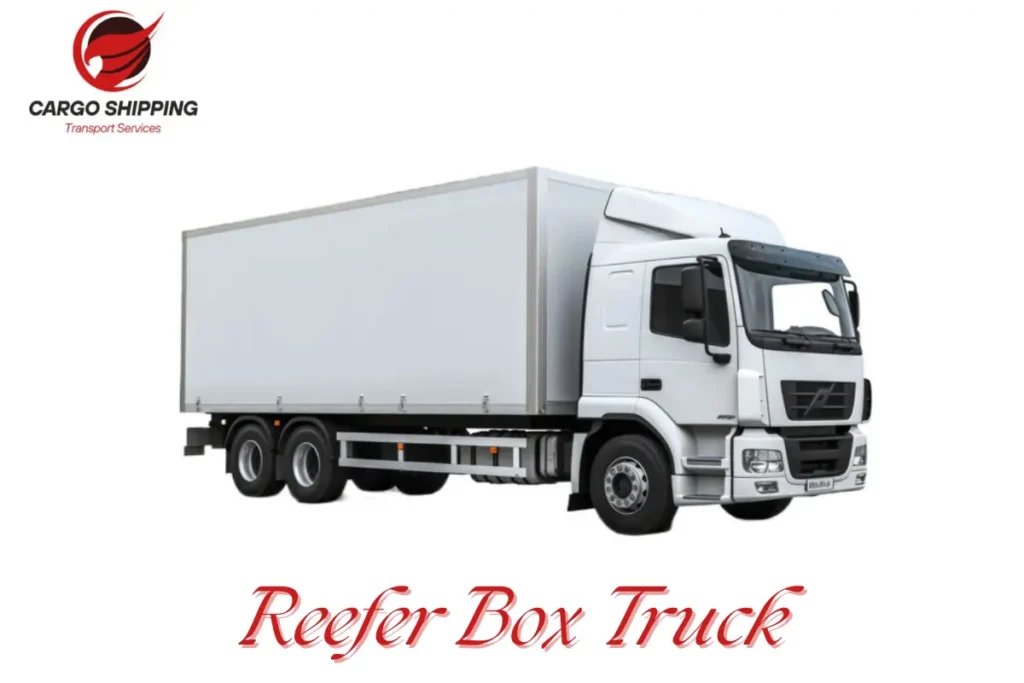
For fragile and high-value cargo, cargo insurance in Dubai is available to cover the full journey. Refrigerated trucks are available for food and pharmaceuticals that need a steady temperature all the way to Baghdad or Erbil. The same road network also carries road cargo from Dubai to Jordan and road cargo from Dubai to Lebanon, so the fleet and the border processes are well established.
The Dubai to Iraq Road Route and Border Crossings
There is no direct land border between the UAE and Iraq, so every road cargo shipment from Dubai to Iraq travels through Saudi Arabia and Kuwait. Trucks leave the UAE at the Al Ghuwaifat border crossing near Abu Dhabi and enter Saudi Arabia at Al Batha, then travel north through the Kingdom. The first leg of the journey is the same corridor used for road cargo from Dubai to Saudi Arabia.
From there the route continues into Kuwait and crosses into Iraq at the Safwan border, the main commercial gateway between Kuwait and Iraq, which serves Basra and the south. An alternative crossing is Jadidat Arar on the Saudi–Iraq border, reached through Anbar governorate, which suits shipments heading for Baghdad and the west.
Because the goods only transit Saudi Arabia and Kuwait, they travel under transit declarations and are not imported into those countries. With complete documents prepared before departure, each crossing usually takes a few hours, but missing or mismatched paperwork is the most common cause of delay at the border.
A newer sea alternative is the weekly roll-on/roll-off service from Mina Rashid in Dubai to Umm Qasr Port in Iraq, which takes about 36 hours at sea and suits accompanied trailers — ask for it when the road is congested.

How Long Does Road Cargo from Dubai to Iraq Take?
Standard road transit from Dubai to Iraq takes 5–8 days door to door, including border clearance at each crossing. Deliveries to Basra in the south are usually at the faster end of that range, while Baghdad and Erbil in the north take a day or two longer because of the extra driving distance after the border. Air freight from Dubai to Iraq takes only 1–2 days but costs much more per kilo, so it is best for urgent or high-value shipments.
On longer lanes the comparison is different: cargo to Australia from Dubai takes 4–8 days by air or 28–40 days by sea. Sea freight takes 10–14 days and suits very large or heavy loads that are not time-critical. If your shipment is urgent, express road service with priority border handling can shorten the door-to-door time. Booking early and sharing complete paperwork keeps your shipment on the fastest schedule, because a truck held at a border for a missing document loses more time than any part of the drive.
What Can You Ship by Road to Iraq?
Almost any general cargo travels well by road cargo from Dubai to Iraq: retail and commercial goods, electronics, machinery and spare parts, building materials, furniture and household items, personal effects, and vehicles. For a full household relocation rather than a commercial shipment, see our guide to international moving from UAE.
Temperature-sensitive goods such as food and pharmaceuticals can move in refrigerated trucks that hold a steady temperature all the way to Iraq. Construction and project cargo — generators, steel, pipes and site equipment — is a large part of the Dubai to Iraq trade, and flatbed and lowbed trailers are available for oversized loads.
Dangerous or restricted goods need advance approval, so always declare the exact nature of your cargo when you book. Some goods also need an Iraqi import permit before the truck reaches the border, so share the exact nature of your goods when you book and your cargo company will confirm what applies.
Full Truckload or Shared Load: Which Option Suits Your Shipment?
For road cargo from Dubai to Iraq, a full truckload gives you a dedicated truck for your goods alone — the best choice for large commercial shipments, full-house moves and urgent loads. A shared load means your shipment travels with other customers’ cargo, which keeps the cost down for smaller consignments of a few cartons or pallets.
Both options include customs clearance and door-to-door delivery; the right choice depends on the size of your shipment and how fast you need it. Shared space works the same way at sea — our guide to FCL vs LCL shipping from Dubai explains how shared and dedicated container space compare. For regular traders sending weekly stock to Baghdad or Basra, a shared load on a fixed schedule is usually the most economical way to keep shelves full without paying for a whole truck.
What Documents Do You Need for Cargo to Iraq?
For a smooth journey, prepare a commercial invoice, a packing list, and an import permit where the goods require one. Your cargo company files the UAE export declaration, handles customs clearance in Dubai, arranges the Saudi and Kuwait transit declarations, and coordinates clearance with Iraqi Customs at Safwan or Arar.
Iraq now uses the ASYCUDA World digital customs system, which lets paperwork be submitted electronically before the truck arrives and speeds up the stop at the border. Personal shipments need a copy of the owner’s passport and visa page.
Every name, value and quantity on the documents must match exactly, because mismatched paperwork is what holds trucks at the border. Restricted items — including some electronics, chemicals and medical goods — may need extra permits, so declare everything honestly at booking time. Getting the paperwork right is what keeps road cargo from Dubai to Iraq moving on schedule.
How Much Does Road Cargo to Iraq Cost?
The price of road cargo from Dubai to Iraq depends on the weight and volume of your shipment, the type of goods, the delivery city in Iraq, and whether you choose a shared or dedicated truck. As a guide, road freight on the Dubai to Erbil corridor is advertised from around $1.25 per kilo for consolidated loads, while a full truckload is priced per truck and a shared load per kilo or per cubic metre.
Because rates move with fuel prices, border conditions and demand, the most reliable price is a written quote for your exact shipment. Share the weight, dimensions and destination, and you will receive a clear quote that includes pickup, transit, customs clearance and delivery — with no hidden charges at the border.
How to Book Road Cargo from Dubai to Iraq?
Booking road cargo from Dubai to Iraq takes four simple steps. First, share your shipment details — what you are sending, its weight and size, and the delivery address in Iraq. Second, receive your quote and confirm the booking.
Third, we collect the cargo from your home, office or warehouse in Dubai and prepare the customs documents, including the transit declarations and the Iraqi import paperwork. Finally, the truck travels through Saudi Arabia and Kuwait and delivers to your door in Baghdad, Erbil, Basra, Mosul, Najaf or Sulaymaniyah, with updates along the way.
Frequently Asked Questions
Q1. How long does road cargo from Dubai to Iraq take?
Standard road transit takes 5–8 days door to door, including border clearance. Basra is usually fastest; Baghdad and Erbil take a little longer.
Q2. Which border crossing do trucks use to enter Iraq?
Most commercial shipments enter through the Safwan border from Kuwait, which serves Basra and the south. The Jadidat Arar crossing from Saudi Arabia is the alternative for Baghdad and western Iraq.
Q3. What documents do I need to send cargo to Iraq?
A commercial invoice and packing list are the basics, plus an import permit where required. For personal shipments, a passport copy is also needed. Your cargo company files the export and transit declarations for you.
Q4. Can I send personal belongings and furniture to Iraq by road?
Yes. Furniture, household goods and personal effects are among the most common road shipments to Iraq. Professional packing is available to protect your items on the journey.
Q5. How much does road cargo from Dubai to Iraq cost?
The cost depends on weight, volume, cargo type and delivery city. Share your shipment details for a free, no-obligation quote.