
Planning cargo to Tanzania from Dubai is straightforward once you know the route, the transit times and the documents the Tanzania Revenue Authority will ask for. In this guide we explain how shipping to Tanzania from Dubai works, what it costs, how long it takes, which papers you need for customs, and how your goods reach Dar es Salaam and beyond. Whether you are sending commercial stock, machinery, household goods or a small parcel, the right choice between air and sea freight, and the right paperwork, will save you time, money and stress.
Trade between the UAE and Tanzania is already large and growing. In 2023 the UAE was one of Tanzania’s three largest import partners, with imports worth about USD 1.42 billion, according to World Bank WITS data. Tanzanian importers buy electronics, building materials, machinery, textiles, food products and vehicles from Dubai, while families send personal effects and household goods to relatives in Dar es Salaam, Arusha and Mwanza. Because the route is well established, with regular sailings from Jebel Ali to Dar es Salaam and frequent flights to the city’s airport, cargo to Tanzania from Dubai is a routine service for an experienced forwarder.
What Is Cargo Shipping to Tanzania from Dubai?
Cargo shipping to Tanzania from Dubai means any consignment collected in the UAE, exported from Dubai and delivered to a consignee in Tanzania. It covers air freight to Julius Nyerere International Airport in Dar es Salaam, sea freight to the port of Dar es Salaam, and door-to-door delivery to the final address. A good forwarder handles the whole chain for you: collection in Dubai, export customs, booking with the airline or shipping line, arrival handling in Dar es Salaam, Tanzanian customs clearance, and inland delivery.
Tanzania is one of East Africa’s largest markets, with a population of more than 60 million and a fast-growing economy centred on Dar es Salaam, its main commercial city and port. Demand for imported goods is strong, from consumer electronics and clothing to industrial machinery, spare parts and construction equipment. Dar es Salaam is also the start of the Central Corridor, the trade route to Rwanda, Burundi, eastern DR Congo and Uganda, and the TAZARA railway links the port to Zambia. That makes the city an important gateway for the whole region, not just for Tanzania itself.
Shipping to Tanzania from Dubai is different from shipping to a landlocked country, because your sea cargo can arrive directly at a Tanzanian port. That avoids a second country’s port and border crossing, which keeps the route simpler than the Djibouti corridor used for Ethiopia. If you are comparing East African routes, our guide to cargo to Ethiopia from Dubai shows how a landlocked destination changes the journey, while cargo to Kenya from Dubai explains the route through Mombasa.
How Does Cargo Travel from Dubai to Tanzania?
There are two main ways to move cargo to Tanzania from Dubai: by air, direct to Dar es Salaam, or by sea to the port of Dar es Salaam. Most shippers choose air freight for urgent, valuable or lightweight cargo, and sea freight for heavy, bulky or lower-value cargo where cost matters more than speed. Some businesses use both, sending the bulk of their stock by sea and an urgent top-up by air.
By sea, your cargo is loaded at Jebel Ali, Dubai’s main container port, and sails to Dar es Salaam, known by its port code TZDAR and run by the Tanzania Ports Authority. The sailing takes about 20 to 25 days, although some direct services take 14 to 18 days, and services via a hub port take longer. By air, cargo is loaded at Dubai International Airport or Al Maktoum International Airport and flown to Julius Nyerere International Airport, Dar es Salaam, known as DAR. From the port or the airport, your goods are cleared through Tanzanian customs and delivered by road to the final address.
| Route | Mode | Typical transit time | Best for |
|---|---|---|---|
| Dubai (DXB) to Dar es Salaam (DAR) | Air freight | 2-5 days door to door | Urgent, valuable, light cargo |
| Jebel Ali to Dar es Salaam | Sea freight, direct | 14-18 days port to port | Containers and heavy cargo |
| Jebel Ali to Dar es Salaam | Sea freight, via hub | 20-25 days port to port | Economical container loads |
| Dar es Salaam to Arusha or Mwanza | Road | 2-4 days, depending on distance | Inland delivery in Tanzania |
Dar es Salaam port is Tanzania’s main port, handling most of the country’s container traffic, as well as cargo for the landlocked countries of the Central Corridor. That means the port can be busy, especially in peak seasons, so allow time for berthing, unloading and customs inspection. Your forwarder should confirm the sailing schedule, the expected arrival date and the inland delivery plan before you book. For a comparison of container options, read our guide to FCL vs LCL shipping from Dubai.
Air Freight to Tanzania from Dubai — How Fast Is It?
Air freight to Tanzania from Dubai is the fastest way to move cargo, and it is the right choice when time matters more than cost. The flight from Dubai to Dar es Salaam takes about five to six hours, and with collection, export clearance, handling and delivery at the other end, most air shipments arrive door to door in about two to five days. For documents, samples, spare parts, electronics and other urgent or high-value goods, that speed can be worth the higher rate.
Airlines serving the route include Emirates, flydubai and other carriers flying between Dubai and Julius Nyerere International Airport, with connections through the airlines’ hubs where a direct flight is not available. Your forwarder will book space based on the chargeable weight, which is the greater of the actual weight and the volumetric weight, calculated as length by width by height in centimetres divided by 6,000. Rates fall at weight breaks of 45, 100, 250, 500 and 1,000 kg, so a heavier shipment often costs less per kilogram than a small one.
To keep air freight costs down, pack tightly, keep the dimensions accurate, and avoid shipping empty space. Light, bulky cargo is charged on volume, so a well-packed carton can cost far less than a loosely packed one of the same weight. Dangerous goods, lithium batteries, liquids and aerosols need special declaration and packaging, so tell your forwarder about them at the quote stage. Our air cargo services in Dubai cover collection, packing, export clearance and booking, and our team can advise whether air or sea is better for your particular shipment.
Air freight also suits Dar es Salaam cargo delivery for businesses that need regular, smaller replenishments rather than one large container. Instead of holding months of stock, many importers fly in weekly or fortnightly consignments, keeping shelves full without tying up cash in inventory. If your goods are perishable, fragile or needed for a project deadline, ask for a flight schedule and a cut-off time when you book, and make sure your documents are ready before the cargo reaches the airport.
Sea Freight to Dar es Salaam — What Does It Cost?
Sea freight to Dar es Salaam is the economical choice for heavy, bulky or large-volume cargo. Your container or shared load sails from Jebel Ali to the port of Dar es Salaam in about 20 to 25 days, or 14 to 18 days on a direct service, and from there it is cleared through Tanzanian customs and delivered by road. Because Dar es Salaam is a Tanzanian port, there is no second country’s port or border to cross, which keeps the sea freight journey simpler than the route to a landlocked country.
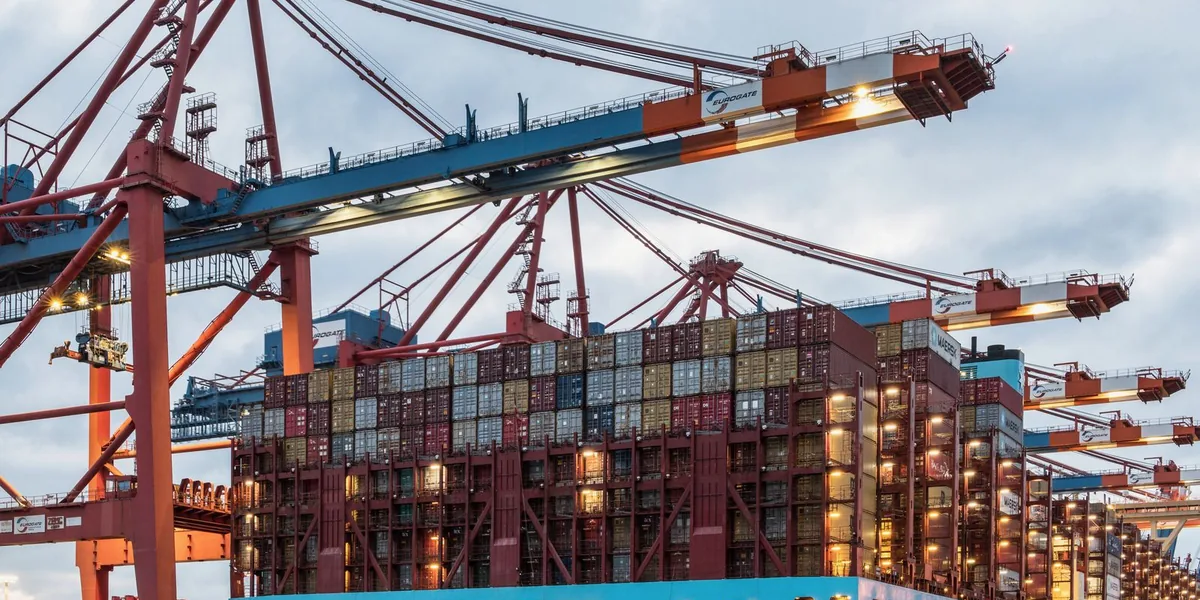
Sea freight rates depend on the container size, the shipping line, the season and the service level. Full container rates change with fuel prices and available space, and LCL rates are charged per CBM, with a one CBM minimum in most cases. As a rule, LCL suits loads under about 30 CBM, while a full container is usually cheaper above that. Always get a written, door-to-door quote for your exact cargo before you commit, and check what is included and what is charged separately, including port handling, customs clearance, delivery and any destination charges in Dar es Salaam.
Containers available for the route include 20ft, 40ft and 40ft high cube dry containers, as well as flat rack and open top containers for oversized cargo such as machinery, vehicles and project loads. A 20ft container suits about 28 CBM of cargo, a 40ft container about 58 CBM, and a 40ft high cube a little more. Read our guide to sea freight services in Dubai for more detail on container types, sailing schedules and port handling from Jebel Ali.
Sea freight works best when you plan ahead. Book early in peak seasons, allow time for customs clearance in Dar es Salaam, and make sure your packing is strong enough for a long sea voyage. Use pallets where possible, strap and shrink-wrap cartons, label every package clearly, and keep a packing list that matches the goods exactly. Good packing protects your cargo and makes customs inspection faster if your container is selected for a check.
How Much Does Cargo to Tanzania from Dubai Cost?
Dubai to Tanzania cargo cost depends on the mode, the weight or volume, the container size, fuel surcharges and the destination charges in Dar es Salaam. Air freight is charged per chargeable kilogram, and the rate falls at the weight breaks of 45, 100, 250, 500 and 1,000 kg, so a heavier shipment often costs less per kilogram than a small one. Sea freight is charged per container for FCL, or per CBM for LCL, with a one CBM minimum in most cases. Because inland delivery, port handling and Tanzanian duty and tax are separate costs, a door-to-door quote will always be higher than a port-to-port sea freight rate, and it is the door-to-door figure that matters for your budget.
Several factors change the price. Heavy, dense cargo costs less per CBM than light, bulky cargo, because sea freight is charged on volume and air freight on the greater of weight and volume. The type of goods matters too: dangerous goods, refrigerated cargo and oversized items need special handling and cost more. Fuel surcharges, peak-season demand, the shipping line or airline, and the exact delivery address in Tanzania all affect the final price. Destination charges include Dar es Salaam port handling, customs inspection fees, inland transport, Tanzanian duty and tax, and delivery to the consignee.
To keep costs down, pack tightly, measure accurately, and give your forwarder the correct weight and dimensions at the quote stage. A shipment that is re-measured at the port and found to be larger than declared will be charged extra, and it may miss its sailing. Compare air and sea on a total-cost basis, not just the freight rate: a sea shipment that takes 20 to 25 days may need more stock holding, while an air shipment may save warehousing and lost sales. For other African routes, cargo to Ghana from Dubai and cargo to South Africa from Dubai show how distance and routing change the price, and our cargo insurance in Dubai page explains how to protect your shipment against loss or damage in transit.
What Documents Do You Need for Tanzania Customs?
Accurate documents are the difference between a smooth clearance and a shipment held at the port. Tanzania customs clearance is managed by the Tanzania Revenue Authority, known as the TRA, through TANCIS, the Tanzania Customs Integrated System, via the Tanzania Electronic Single Window. The Tanzania Revenue Authority is the official source for customs rules, and your clearing agent will file the declaration in TANCIS on your behalf. The importer needs a Tax Identification Number, or TIN, and the TIN must match the consignee named on the shipping documents.
The core documents for most shipments are a commercial invoice, a packing list, a bill of lading for sea freight or an air waybill for air freight, a certificate of origin, and the importer’s TIN and business registration. The commercial invoice should show the seller and buyer, a clear description of each item, quantities, unit values and the total value. The packing list should show the number of packages, their dimensions and weights, and what is inside each one. HS codes, the Harmonised System codes for each product, decide the duty rate under the East African Community Common External Tariff, so get them right.
Import duty in Tanzania is charged under the EAC Common External Tariff, and VAT of 18 per cent applies to imports into mainland Tanzania. That means the total tax on a shipment can be substantial, and you should budget for it before you buy. Do not understate values on the invoice: customs officers check declared values against market prices, and an understated value can lead to delays, fines and a reassessment. For regulated products, a Tanzania Bureau of Standards certificate of conformity, obtained through pre-shipment verification before loading, is needed before the goods can be cleared. Medicines and cosmetics need permits from the Tanzania Medicines and Medical Devices Authority, known as the TMDA, so check the requirements for your product before you ship.
How Long Does Delivery Take?
Delivery to Tanzania depends on the mode you choose and on how quickly customs clears your goods. Air freight takes about two to five days door to door, including collection in Dubai, export clearance, the flight, arrival handling at Julius Nyerere International Airport, TRA customs clearance and delivery in Dar es Salaam. That is the best option when you need goods quickly, for example spare parts for a machine that has stopped, or stock for a shop that has run out.
Sea freight takes much longer. The sailing from Jebel Ali to Dar es Salaam takes about 20 to 25 days, or 14 to 18 days on a direct service, and customs clearance and delivery add more days after arrival. Door to door by sea, including clearance and inland delivery, can take four to six weeks in total, so book sea freight well ahead of the date you need the goods. Inland delivery by road to Arusha takes about two days from Dar es Salaam, to Mwanza longer, and to Zanzibar the cargo crosses by ferry, so allow extra time for those destinations.
Tracking is available for both modes. Air shipments can be tracked by air waybill number, and sea shipments by bill of lading or container number. Your forwarder should give you the tracking details, the expected arrival date and updates at each stage, from departure in Dubai to arrival in Dar es Salaam, clearance and final delivery. Keep the consignee’s phone number on the documents, because the delivery agent in Dar es Salaam will call to arrange the final delivery.
Can I Ship a Car from Dubai to Tanzania?
Yes, you can ship a car from Dubai to Tanzania, but you must check the duty and the age rules before you buy, because they add a large amount to the total cost. Tanzania charges extra excise duty on vehicles more than eight years old, and the extra duty rises with the age of the vehicle, on top of import duty and VAT charged by engine size. Tanzania drives on the left, so cars from Dubai, which also drives on the right-hand side of the road with left-hand drive vehicles, need to be checked for compliance. Always confirm the eligibility, the total duty and the documents for the exact vehicle, including its age, engine size and value, before you purchase it in Dubai.
Vehicles are usually shipped in a container, which protects the car during the sea voyage, or by roll-on roll-off service where available. You will need the vehicle registration, proof of ownership, the commercial invoice, the bill of lading, and the importer’s TIN. The car will be inspected on arrival in Dar es Salaam, and duty and tax are calculated on its value, age and engine size. Because the rules change, ask your forwarder for written confirmation of the current position for your vehicle, and do not rely on a price quoted for a different model or year.
What Goods Are Commonly Shipped to Tanzania?
Almost any legal, properly packed cargo can be shipped to Tanzania from Dubai. The most common items we handle are electronics and mobile phones, clothing and textiles, building materials, machinery and spare parts, vehicles and vehicle parts, food products, household goods and personal effects. Commercial importers send regular stock for shops and factories in Dar es Salaam, while individuals send furniture, appliances and personal belongings when they relocate.
Some goods need special handling. Lithium batteries, perfumes, aerosols and chemicals are classed as dangerous goods and need correct declaration and packaging. Food, medicines and cosmetics may need permits or certificates before they can be imported, including TMDA permits for medicines and cosmetics and a certificate of conformity for regulated products. Prohibited and restricted items include narcotics, counterfeit goods, unlicensed medicines and pornographic material. If you are unsure whether your goods can be shipped, send your forwarder a full list with descriptions and values, and ask before you buy or pack.
Frequently Asked Questions About Cargo to Tanzania from Dubai
How long does sea freight to Tanzania take?
Sea freight from Jebel Ali to Dar es Salaam takes about 20 to 25 days, or 14 to 18 days on a direct service. Door to door, including customs clearance and delivery, can take four to six weeks in total.
What is the cheapest way to ship cargo to Tanzania from Dubai?
Sea freight is usually the cheapest way for heavy or bulky cargo, especially in a full container or as LCL, while air freight is cheaper for very small, urgent shipments once you count the cost of waiting. Always compare door-to-door quotes, including duty, port handling and delivery, rather than the freight rate alone.
What documents do I need for Tanzania customs clearance?
You need a commercial invoice, a packing list, a bill of lading or air waybill, a certificate of origin, and the importer’s TIN, which must match the consignee. Regulated products also need a Tanzania Bureau of Standards certificate of conformity, and medicines and cosmetics need TMDA permits.
What are the vehicle age rules for Tanzania?
Tanzania charges extra excise duty on vehicles more than eight years old, rising with the age of the vehicle, plus import duty and VAT by engine size. Check the total duty for your exact vehicle, including its age and engine size, before you buy it in Dubai.
How do I track my shipment to Tanzania?
You can track air cargo by its air waybill number and sea cargo by its bill of lading or container number. Your forwarder should give you the tracking details and updates at each stage, from departure in Dubai to arrival in Dar es Salaam, clearance and final delivery.
How Do I Book Cargo to Tanzania from Dubai?
Booking cargo to Tanzania from Dubai starts with a clear list of what you want to send, with the weight and dimensions of each package, a description of the goods, and their value. Send that list to your forwarder and ask for a written door-to-door quote for both air and sea freight, so you can compare the total cost, including duty, port handling and delivery, rather than the freight rate alone. Once you accept a quote, your forwarder will collect the cargo in Dubai, check the packing, weigh and measure each package, and prepare the export documents.
Before the cargo leaves Dubai, confirm that your Tanzanian importer has the TIN ready, that the commercial invoice, packing list, certificate of origin and bill of lading or air waybill all match, and that any certificate of conformity or TMDA permit has been arranged. Send copies of the documents to your importer and to the clearing agent in Dar es Salaam as soon as they are issued, so clearance through TANCIS can start before the cargo arrives. That early preparation is the best way to avoid storage charges at the port or the airport.
Cargo to Tanzania from Dubai works best when the route, the documents and the delivery plan are agreed before the cargo leaves Dubai. Choose air freight for urgent items and sea freight for heavy or bulky loads, allow four to six weeks for a sea shipment, and make sure your importer has the TIN and the other documents ready. With that in place, your goods can move from Jebel Ali or Dubai Airport to Dar es Salaam, and on to Arusha, Mwanza or Zanzibar, with no surprises. Contact Cargo Shipping for a written quote for your next shipment to Tanzania, and we will confirm the best route, the cost and the transit time for your cargo.
A final note on planning: the cheapest quote is not always the best value for cargo to Tanzania from Dubai. Check that the quote includes port handling in Dar es Salaam, customs clearance through TANCIS, and delivery to your address, and that the forwarder will give you tracking updates. A clear, all-in quote with a realistic transit time will usually cost less in the end than a low freight rate with charges added later.


