
Planning cargo to Ethiopia from Dubai is straightforward once you understand the route, because Ethiopia is landlocked and almost every sea shipment has to pass through Djibouti before it can travel inland. In this guide we explain how shipping to Ethiopia from Dubai works, what it costs, how long it takes, which documents you need, and how your goods reach Addis Ababa safely. Whether you are sending commercial stock, machinery, household goods or a small parcel, the right choice between air and sea freight, and the right paperwork, will save you time, money and stress at customs.
Many businesses in Dubai trade with Ethiopia every week. Ethiopian importers buy electronics, building materials, machinery, textiles, food products and vehicles from the UAE, while families send personal effects and household goods to relatives in Addis Ababa and other cities. Because the route is well established, with regular sailings from Jebel Ali to Djibouti and daily flights to Addis Ababa, cargo to Ethiopia from Dubai is a routine service for an experienced forwarder. This guide gives you the practical detail you need to plan a shipment with confidence, from the first quote to final delivery.
What Is Cargo Shipping to Ethiopia from Dubai?
Cargo shipping to Ethiopia from Dubai means any consignment collected in the UAE, exported from Dubai and delivered to a consignee in Ethiopia. It covers air freight to Addis Ababa Bole International Airport, sea freight to the port of Djibouti followed by road or rail transport into Ethiopia, and door-to-door delivery to the final address. A good forwarder handles the whole chain for you: collection in Dubai, export customs, booking with the airline or shipping line, arrival handling in Djibouti or Addis Ababa, Ethiopian customs clearance, and inland delivery.
Ethiopia is one of Africa’s largest markets, with more than 120 million people and a fast-growing economy centred on Addis Ababa, the country’s capital and its main commercial hub. Demand for imported goods is strong, from consumer electronics and clothing to industrial machinery, spare parts and construction equipment. At the same time, the landlocked geography shapes every shipment. There is no Ethiopian seaport, so sea cargo must land in Djibouti, a neighbouring country on the Red Sea, and then cross the border by road or by the electrified Addis Ababa-Djibouti railway. Understanding that extra leg is the key to realistic costs and transit times.
Shipping to Ethiopia from Dubai is also different from shipping to a coastal African country such as Kenya or Ghana, because the inland leg adds handling, border clearance and road or rail charges. That does not make it difficult, but it does mean you should allow extra days, keep your documents exact, and work with a forwarder and an Ethiopian agent who know the Djibouti corridor well. If you are comparing African routes, our guide to cargo to Tanzania from Dubai shows how a direct seaport changes the picture, while cargo to Kenya from Dubai explains another East African route through Mombasa.
How Does Cargo Travel from Dubai to Ethiopia?
There are two main ways to move cargo to Ethiopia from Dubai: by air, direct to Addis Ababa, or by sea to Djibouti and then inland. Most shippers choose air freight for urgent, valuable or lightweight cargo, and sea freight for heavy, bulky or lower-value cargo where cost matters more than speed. Some businesses use both, sending the bulk of their stock by sea and an urgent top-up by air.
By sea, your cargo is loaded at Jebel Ali, Dubai’s main container port, and sails to the port of Djibouti. The sailing takes about five to seven days. From Djibouti, containers are transferred to trucks or to the Addis Ababa-Djibouti railway for the journey inland to Addis Ababa or to the Modjo dry port, south-east of the capital. Modjo is Ethiopia’s main inland container terminal, where containers are cleared and then delivered by road. By air, cargo is loaded at Dubai International Airport or Al Maktoum International Airport and flown direct to Addis Ababa Bole International Airport, a flight of about three and a half hours.
| Route | Mode | Typical transit time | Best for |
|---|---|---|---|
| Dubai (DXB) to Addis Ababa (ADD) | Air freight | 2-5 days door to door | Urgent, valuable, light cargo |
| Jebel Ali to Djibouti | Sea freight | 5-7 days port to port | Containers and heavy cargo |
| Djibouti to Addis Ababa | Road or rail | 2-5 days, depending on clearance | Onward delivery from the port |
| Jebel Ali to Addis Ababa, door to door | Sea plus inland | Several weeks | Full containers and large loads |
The inland leg is where planning matters most. Road transport from Djibouti to Addis Ababa takes about two to three days of driving, but border formalities, customs checks and terminal handling can add more time. The railway offers a reliable alternative for containers, especially to Modjo, and it avoids some of the congestion on the road. Your forwarder should confirm which option suits your cargo, your delivery address and your deadline before you book, because the choice affects both the price and the total transit time. For a comparison of container options, read our guide to FCL vs LCL shipping from Dubai.
Air Freight to Ethiopia from Dubai — How Fast Is It?
Air freight to Ethiopia from Dubai is the fastest way to move cargo, and it is the right choice when time matters more than cost. The flight from Dubai to Addis Ababa takes about three and a half hours, and with collection, export clearance, handling and delivery at the other end, most air shipments arrive door to door in about two to five days. For documents, samples, spare parts, electronics and other urgent or high-value goods, that speed can be worth the higher rate.
Airlines serving the route include Emirates SkyCargo, flydubai and Ethiopian Airlines Cargo, with regular services between Dubai and Addis Ababa Bole International Airport. Ethiopian Airlines Cargo operates an extensive African network from its Addis Ababa hub, which also helps with onward connections inside Ethiopia. Your forwarder will book space based on the chargeable weight, which is the greater of the actual weight and the volumetric weight, and on the nature of the goods. Air freight has a minimum chargeable weight of 45 kg, so very small shipments are usually sent as courier parcels instead.
To keep air freight costs down, pack tightly, keep the dimensions accurate, and avoid shipping empty space. Light, bulky cargo is charged on volume, so a well-packed carton can cost far less than a loosely packed one of the same weight. Dangerous goods, lithium batteries, liquids and aerosols need special declaration and packaging, so tell your forwarder about them at the quote stage. Our air cargo services in Dubai cover collection, packing, export clearance and booking, and our team can advise whether air or sea is better for your particular shipment.
Air freight also suits Addis Ababa cargo delivery for businesses that need regular, smaller replenishments rather than one large container. Instead of holding months of stock, many importers fly in weekly or fortnightly consignments, keeping shelves full without tying up cash in inventory. If your goods are perishable, fragile or needed for a project deadline, ask for a flight schedule and a cut-off time when you book, and make sure your documents are ready before the cargo reaches the airport.
Sea Freight to Ethiopia via Djibouti — What Does It Cost?
Sea freight to Ethiopia via Djibouti is the economical choice for heavy, bulky or large-volume cargo. Your container or shared load sails from Jebel Ali to Djibouti in about five to seven days, and from there it travels inland to Addis Ababa or Modjo by road or rail. Because Ethiopia has no seaport of its own, the sea freight price is only part of the total cost: you must also budget for Djibouti port handling, inland transport, Ethiopian customs clearance and final delivery.
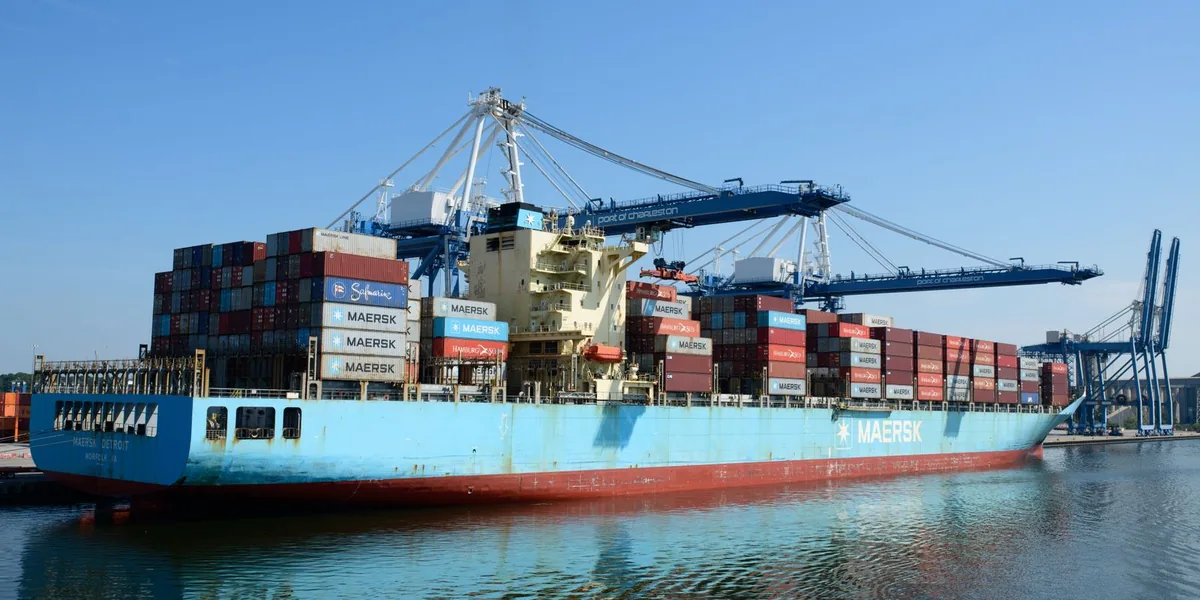
As a guide only, not a quote, LCL sea freight to Djibouti is roughly USD 364 per CBM for sea freight only. That figure does not include collection in Dubai, export charges, Djibouti handling, inland transport, customs duty or delivery in Ethiopia, all of which vary with the cargo and the service level. Full container rates depend on the container size, the shipping line and the season, and they change with fuel prices and available space. Always get a written, door-to-door quote for your exact cargo before you commit, and check what is included and what is charged separately.
Containers available for the route include 20ft, 40ft and 40ft high cube dry containers, as well as flat rack and open top containers for oversized cargo such as machinery, vehicles and project loads. A 20ft container suits about 28 CBM of cargo, a 40ft container about 58 CBM, and a 40ft high cube a little more. If your load is smaller than a full container, LCL, or less than container load, lets you share a container and pay only for the space you use. Read our guide to sea freight services in Dubai for more detail on container types, sailing schedules and port handling from Jebel Ali.
Sea freight works best when you plan ahead. Book early in peak seasons, allow time for the inland leg, and make sure your packing is strong enough for a sea voyage, a transfer in Djibouti and a long road or rail journey. Use pallets where possible, strap and shrink-wrap cartons, label every package clearly, and keep a packing list that matches the goods exactly. Good packing protects your cargo and makes customs inspection faster if your container is selected for a check.
How Much Does Cargo to Ethiopia from Dubai Cost?
Dubai to Ethiopia cargo cost depends on the mode, the weight or volume, the container size, fuel surcharges and the destination charges in Djibouti and Ethiopia. Air freight is charged per chargeable kilogram, and the rate falls as the weight rises, with the minimum chargeable weight of 45 kg. Sea freight is charged per container for FCL, or per CBM for LCL, with a one CBM minimum in most cases. Because the inland leg is a separate cost, a door-to-door quote will always be higher than a port-to-port sea freight rate, and it is the door-to-door figure that matters for your budget.
Several factors change the price. Heavy, dense cargo costs less per CBM than light, bulky cargo, because sea freight is charged on volume and air freight on the greater of weight and volume. The type of goods matters too: dangerous goods, refrigerated cargo and oversized items need special handling and cost more. Fuel surcharges, peak-season demand, the shipping line or airline, and the exact delivery address in Ethiopia all affect the final price. Destination charges include Djibouti port handling, customs inspection fees, inland transport, Ethiopian duty and tax, and delivery to the consignee.
To keep costs down, pack tightly, measure accurately, and give your forwarder the correct weight and dimensions at the quote stage. A shipment that is re-measured at the port and found to be larger than declared will be charged extra, and it may miss its sailing. Compare air and sea on a total-cost basis, not just the freight rate: a sea shipment that takes several weeks may need more stock holding, while an air shipment may save warehousing and lost sales. For other African routes, cargo to Ghana from Dubai and cargo to South Africa from Dubai show how distance and routing change the price, and our customs clearance in Dubai for cargo service explains the export side of the cost.
What Documents Do You Need for Ethiopia Customs?
Accurate documents are the difference between a smooth clearance and a shipment held at the port or the border. Ethiopia customs clearance is managed by the Ethiopian Customs Commission, and importers need a bank import permit before they buy the goods. That permit is essential: without it, the importer cannot clear the shipment, so arrange it early and make sure the consignee details on the permit match the shipping documents exactly.
The core documents for most shipments are a commercial invoice, a packing list, a bill of lading for sea freight or an air waybill for air freight, a certificate of origin, the bank import permit, and the importer’s trade licence and Tax Identification Number, or TIN. The commercial invoice should show the seller and buyer, a clear description of each item, quantities, unit values and the total value. The packing list should show the number of packages, their dimensions and weights, and what is inside each one. HS codes, the Harmonised System codes for each product, decide the duty rate, so get them right.
Import duty in Ethiopia ranges from 10 per cent to 35 per cent depending on the HS code, plus a 10 per cent surtax and VAT of 15 per cent. That means the total tax on a shipment can be substantial, and you should budget for it before you buy. Do not understate values on the invoice: customs officers check declared values against market prices, and an understated value can lead to delays, fines and a reassessment. Some goods need extra permits or certificates, for example food, medicines and chemicals, so check the requirements for your product before you ship.
How Long Does Delivery to Addis Ababa Take?
Delivery to Addis Ababa depends on the mode you choose and on how quickly customs clears your goods. Air freight takes about two to five days door to door, including collection in Dubai, export clearance, the flight, arrival handling at Bole Airport, Ethiopian customs clearance and delivery in Addis Ababa. That is the best option when you need goods quickly, for example spare parts for a machine that has stopped, or stock for a shop that has run out.
Sea freight takes much longer. The sailing from Jebel Ali to Djibouti takes about five to seven days, and the inland leg to Addis Ababa or Modjo, including border formalities, terminal handling and customs clearance, adds days or weeks. Door to door by sea plus inland transport takes several weeks in total, so book sea freight well ahead of the date you need the goods. If you have a fixed deadline, work backwards from that date, allow a buffer for customs inspection, and consider sending an urgent part of the shipment by air.
Tracking is available for both modes. Air shipments can be tracked by air waybill number, and sea shipments by bill of lading or container number. Your forwarder should give you the tracking details, the expected arrival date and updates at each stage, from departure in Dubai to arrival in Djibouti, clearance in Ethiopia and final delivery. Keep the consignee’s phone number on the documents, because the delivery agent in Addis Ababa will call to arrange the final delivery.
Can I Ship a Car from Dubai to Ethiopia?
Yes, you can ship a car from Dubai to Ethiopia, but you must check the current rules before you buy, because vehicle imports are restricted and duty is very high. Since 2024, imports of petrol and diesel private cars have been restricted, while electric vehicles are favoured under Ethiopian policy. Duty rises with engine size, so a large petrol or diesel engine can attract a very large tax bill, and some vehicles may not be allowed at all. Always confirm the eligibility, the duty and the documents for the exact vehicle, including its age, engine size, fuel type and value, before you purchase it in Dubai.
Vehicles are usually shipped in a container, which protects the car during the sea voyage and the inland journey, or by roll-on roll-off service where available. You will need the vehicle registration, proof of ownership, the commercial invoice, the bill of lading, and the importer’s bank import permit and TIN. The car will be inspected on arrival, and duty and tax are calculated on its value and engine size. Because the rules change, ask your forwarder for written confirmation of the current position for your vehicle, and do not rely on a price quoted for a different model or year.
What Goods Are Commonly Shipped to Ethiopia?
Almost any legal, properly packed cargo can be shipped to Ethiopia from Dubai. The most common items we handle are electronics and mobile phones, clothing and textiles, building materials, machinery and spare parts, vehicles and vehicle parts, food products, household goods and personal effects. Commercial importers send regular stock for shops and factories in Addis Ababa, while individuals send furniture, appliances and personal belongings when they relocate.
Some goods need special handling. Lithium batteries, perfumes, aerosols and chemicals are classed as dangerous goods and need correct declaration and packaging. Food, medicines and cosmetics may need permits or certificates before they can be imported. Prohibited and restricted items include narcotics, counterfeit goods, unlicensed medicines and pornographic material. If you are unsure whether your goods can be shipped, send your forwarder a full list with descriptions and values, and ask before you buy or pack. That simple check can save a shipment from being refused or held at customs.
Frequently Asked Questions About Cargo to Ethiopia from Dubai
How long does sea freight to Ethiopia take?
Sea freight from Jebel Ali to Djibouti takes about five to seven days, and door-to-door delivery to Addis Ababa by sea plus the inland leg takes several weeks, depending on customs clearance, the inland transport you choose and the final delivery address.
What is the cheapest way to ship cargo to Ethiopia from Dubai?
Sea freight is usually the cheapest way for heavy or bulky cargo, especially in a full container or as LCL, while air freight is cheaper for very small, urgent shipments once you count the cost of waiting. Always compare door-to-door quotes, including duty, inland transport and delivery, rather than the freight rate alone.
Do I need an import permit to ship cargo to Ethiopia?
Yes, the Ethiopian importer needs a bank import permit before buying the goods, together with a trade licence and TIN. Without the permit, the shipment cannot be cleared through Ethiopian customs, so arrange it early.
Can I ship personal effects to Ethiopia from Dubai?
Yes, personal effects and household goods can be shipped by air or sea. You will need a detailed inventory with values, a copy of your passport, and the usual shipping documents. Pack carefully, label every box, and keep the inventory exact, because customs may inspect personal effects.
How do I track my shipment to Ethiopia?
You can track air cargo by its air waybill number and sea cargo by its bill of lading or container number. Your forwarder should give you the tracking details and updates at each stage, from departure in Dubai to arrival in Djibouti, inland transport and delivery in Addis Ababa.
Cargo to Ethiopia from Dubai works best when the route, the documents and the delivery plan are agreed before the cargo leaves Dubai. Choose air freight for urgent items and sea freight for heavy or bulky loads, allow several weeks for a sea shipment, and make sure your importer has the bank import permit, trade licence and TIN ready. With that in place, your goods can move from Jebel Ali or Dubai Airport, through Djibouti, to Addis Ababa with no surprises. Contact Cargo Shipping for a written quote for your next shipment to Ethiopia, and we will confirm the best route, the cost and the transit time for your cargo.
How Do I Book Cargo to Ethiopia from Dubai?
Booking cargo to Ethiopia from Dubai is a simple, step-by-step process when you have your cargo details and your importer’s documents ready. Start by listing everything you want to send, with the weight and dimensions of each package, a clear description of the goods, and their value. Send that list to your forwarder and ask for a written door-to-door quote for both air and sea freight, so you can compare the total cost, including duty, inland transport and delivery, rather than the freight rate alone.
Once you accept a quote, your forwarder will collect the cargo from your address in Dubai or from your supplier’s warehouse, check the packing, weigh and measure each package, and prepare the export documents. For sea freight, the cargo is loaded into a container at Jebel Ali or consolidated with other LCL cargo. For air freight, it is delivered to the airport, screened, and loaded onto the next available flight to Addis Ababa. At this stage, check that the consignee’s name, address and phone number are exactly right, because a small error can delay delivery in Ethiopia.
Before the cargo leaves Dubai, confirm that your Ethiopian importer has the bank import permit, the trade licence and the TIN ready, and that the commercial invoice, packing list, certificate of origin and bill of lading or air waybill all match. Send copies of the documents to your importer and to the clearing agent in Ethiopia as soon as they are issued, so clearance can start before the cargo arrives. That early preparation is the single best way to avoid storage charges in Djibouti or at Bole Airport.
When the cargo arrives, your agent will clear it through Ethiopian customs, pay the duty and tax on the importer’s behalf if agreed, and arrange the inland leg to Addis Ababa or Modjo. Ask for the tracking number at booking and for updates at each stage, from departure in Dubai to arrival in Djibouti, clearance and final delivery. If anything is delayed, a good forwarder will tell you why and what is being done, rather than leaving you to chase the shipment yourself.
For regular shippers, it is worth agreeing a schedule with your forwarder. A weekly air shipment and a monthly sea container, for example, can keep stock flowing without large, infrequent orders. Keep a record of the HS codes, duty rates and delivery times for your usual products, so each new shipment is faster to quote and book than the last. With a clear plan, cargo to Ethiopia from Dubai becomes a routine part of your business, and your customers in Addis Ababa can rely on the stock arriving when you said it would.
If you are ready to send your first shipment, or if you want a second opinion on a quote you already have, contact Cargo Shipping with your cargo list, your delivery address in Ethiopia, and your preferred dates. We will confirm the best route for cargo to Ethiopia from Dubai, the total door-to-door cost, and the transit time, and we will handle the collection, documents, customs and delivery for you.


