
Dangerous goods shipping Dubai businesses rely on every day is more common than most shippers realise. From lithium batteries in electronics to perfumes, paints, aerosols and industrial chemicals, many everyday products are classed as hazardous when they travel by air, sea or road. That classification does not mean they cannot be shipped — it means they must be identified, packed, labelled and declared correctly before they leave Dubai.
In this guide, we explain what dangerous goods shipping from Dubai involves, the nine hazard classes used under the IMDG Code and the IATA Dangerous Goods Regulations, the documents you will need, how much it costs, and how long each mode of transport takes. If you are sending hazmat cargo from Dubai for the first time, or you want a smoother process for regular shipments, this guide gives you a clear, practical starting point.
What Is Dangerous Goods Shipping?
Dangerous goods, also called hazardous materials or hazmat cargo, are substances and articles that can pose a risk to health, safety, property or the environment during transport. The risk may come from fire, explosion, corrosion, toxicity, radioactivity or pressure. Because of that risk, dangerous goods are not handled like ordinary cargo. Every shipment must be classified, packed in approved packaging, marked and labelled, and accompanied by a dangerous goods declaration.
In Dubai, dangerous goods shipping is governed by international rules rather than a single local rulebook. Sea freight follows the IMDG Code, air freight follows the IATA Dangerous Goods Regulations, and road transport follows ADR road transport dangerous goods rules for cross-border journeys. The United Arab Emirates also applies its own port, airport and road safety requirements, and carriers and terminals in Jebel Ali and at Dubai International Airport apply their own acceptance checks on top of those rules. A shipment that is correct on paper but poorly packed can still be refused at the terminal, so the physical preparation matters as much as the paperwork.
Many shippers are surprised to learn that a product is classed as dangerous goods at all. A perfume is a flammable liquid. A power bank is a lithium battery. A spray can is a compressed gas. A cleaning chemical may be corrosive. If you are unsure whether your cargo is hazardous, the Safety Data Sheet, or MSDS, is the first document to check. It states the UN number, the hazard class and the packing group, and it tells your forwarder how the goods must be handled.
The 9 IMDG and IATA Hazard Classes Explained
The IMDG Code classes and the IATA classes are the same nine classes. Every dangerous good belongs to one class, and many also carry a subsidiary hazard. Knowing the class is the first step, because it decides the packaging, the labels, the mode of transport and whether the goods can travel on a passenger aircraft at all.
Class 1 — Explosives
Class 1 covers explosives, fireworks, ammunition and detonators. These are among the most restricted goods in transport. Many Class 1 items cannot fly at all, and sea shipments need special stowage, approvals and advance booking. Most commercial shippers in Dubai rarely move Class 1 cargo, and when they do, it is handled only by specialist carriers with prior approval.
Class 2 — Gases
Class 2 covers compressed, liquefied and dissolved gases, including aerosols, oxygen cylinders, LPG and refrigerants. Aerosol cans are a very common Class 2 shipment from Dubai, especially for cosmetics and household products. Cylinders must be protected against damage and heat, and leaking valves are a common reason for rejection.
Class 3 — Flammable Liquids
Class 3 covers liquids that can catch fire easily, such as perfumes, paints, solvents, adhesives and some fuels. Perfumes are one of the most frequent dangerous goods exports from Dubai, because the alcohol in perfume makes it a flammable liquid. The flash point stated on the MSDS decides the packing group and the transport conditions.
Class 4 — Flammable Solids
Class 4 covers solids that can catch fire, self-heat or release flammable gas when wet. Examples include matches, sulphur, magnesium and some metal powders. These goods need dry, well-ventilated stowage and must be kept away from water and heat sources during loading and transit.
Class 5 — Oxidising Substances and Organic Peroxides
Class 5 covers substances that can release oxygen and make a fire worse, such as hydrogen peroxide, fertilisers and bleaching agents, as well as organic peroxides used in plastics and resins. They must be kept away from flammable materials and stored at the correct temperature, because heat can make some organic peroxides unstable.
Class 6 — Toxic and Infectious Substances
Class 6 covers poisons, pesticides and infectious substances, including laboratory samples and some pharmaceuticals. Toxic goods need sealed, leak-proof packaging and clear labelling, and infectious substances have additional rules on triple packaging and on who may handle them. These shipments are often small in volume but need careful documentation.
Class 7 — Radioactive Material
Class 7 covers radioactive material used in medical, industrial and research applications. These shipments are rare for most commercial shippers, and they need specialist approval, specific packaging and, in many cases, a dedicated route. They are not accepted by most general cargo services.
Class 8 — Corrosives
Class 8 covers acids, alkalis and other substances that can damage skin, metal and other cargo, such as battery acid, drain cleaners and some industrial chemicals. Corrosive goods must be packed so that a leak cannot reach other cargo, and they must never be stowed with food, medicines or incompatible chemicals.
Class 9 — Miscellaneous Dangerous Goods
Class 9 is a catch-all class for goods that are hazardous but do not fit Classes 1 to 8. The best-known example is lithium batteries, which are shipped from Dubai in huge numbers in phones, laptops, power banks, e-bikes and electric vehicle parts. Dry ice, asbestos and environmentally hazardous substances are also in Class 9. Lithium battery shipments have their own packing instructions, state-of-charge limits and, for damaged or recalled batteries, extra restrictions, so they need particular care.
If your product falls into more than one class, the most serious hazard is usually shown first, and the other hazard is shown as a subsidiary hazard on the label and the declaration. Your forwarder will confirm the correct classification from the MSDS before booking, because a wrong class can lead to a refused shipment or a fine.
How Dangerous Goods Shipping from Dubai Works
Safe DG shipping follows the same sequence on almost every shipment. Skipping a step is what causes most delays, so it helps to know the order before you book.
Step 1 — Identify and classify the goods
Send your forwarder the product name, the MSDS/SDS and, if you have it, the UN number. The forwarder confirms the hazard class, packing group and the correct packing instruction. If the MSDS is old, incomplete or in another language, get an up-to-date English version from the manufacturer first — it saves a round of questions later.
Step 2 — Choose the mode and check acceptance
Air, sea and road have different rules for the same product. Lithium batteries, for example, may travel by sea with few problems but need extra checks by air. Your forwarder checks carrier acceptance, the destination country’s import rules and whether a passenger or cargo-only aircraft is needed. This is also the point to agree the route, for example direct from Jebel Ali by sea or via Dubai International Airport by air.
Step 3 — Pack, mark and label correctly
Dangerous goods packing and labelling UAE shippers must follow is set by the IMDG Code for sea and the IATA Dangerous Goods Regulations for air. Approved packaging is tested for drops, stacking and leaks, and each package must show the UN number, the proper shipping name and the hazard label, in the right size and position. Inner packaging, absorbent material and cushioning matter as much as the outer box. A neat, compliant package is checked in minutes; a poor one can be rejected outright.
Step 4 — Prepare the DG declaration and documents
The shipper signs a DG declaration and MSDS-based shipping declaration stating that the goods are correctly classified, packed and labelled. The forwarder also prepares the commercial invoice, packing list and, for sea freight, the container packing certificate. Our guide to customs clearance in Dubai for cargo explains the customs paperwork that runs alongside the DG documents.
Step 5 — Book, load and declare to customs
Once the documents are approved, the forwarder books space, declares the DG cargo to the carrier and the terminal, and arranges collection or delivery to the port or airport. Dangerous goods are usually loaded last and stowed in a specific place on the vessel or aircraft, away from incompatible goods and living quarters.
Step 6 — Transport, tracking and delivery
During transit, the carrier tracks the shipment and the DG declaration travels with it. On arrival, the consignee or their agent clears customs, using the same documents, and arranges delivery. If the destination needs a permit for a particular class, that permit should be obtained before the goods leave Dubai, not after they arrive.
Documents You Need for Dangerous Goods Shipping
Good documents are the difference between a shipment that sails and one that sits in a warehouse. For most DG shipments from Dubai, you will need:
- Safety Data Sheet (SDS/MSDS) — the manufacturer’s sheet, less than three years old, stating the UN number, hazard class, packing group, flash point and emergency measures. This is the single most important document.
- Dangerous Goods Declaration (DG declaration) — signed by the shipper, confirming classification, packaging and labelling. For air freight this follows the IATA shipper’s declaration format; for sea freight it follows the IMDG dangerous goods declaration.
- Commercial invoice and packing list — with the proper shipping name, quantity, weight and value, matching the DG declaration exactly.
- UN numbers and packing groups — every DG product has a four-digit UN number, for example UN 3480 for lithium-ion batteries and UN 1266 for perfumery products. Packing Group I is the most dangerous, Group III the least. These details decide the packaging and the labels.
- Certificate of origin and any destination permits — some countries need an import permit for chemicals, pesticides or batteries before the goods arrive.
- Cargo insurance documents — DG cargo is higher risk, so insurance is strongly advised. See our guide to cargo insurance in Dubai for what a policy should cover.
- Container packing certificate (sea freight) — confirming that the container was packed, secured and labelled correctly.
Keep the names, weights and UN numbers identical on every document. A mismatch between the MSDS, the declaration and the invoice is one of the most common reasons a DG shipment is held at the port or airport.
Air vs Sea vs Road: Which Mode Should You Choose?
The best mode for dangerous goods shipping from Dubai depends on the class, the destination and how urgently the goods are needed. The same product can be easy by sea and difficult by air, so the choice should be made after classification, not before.
Air freight is the fastest option, typically 1 to 3 days from Dubai to most destinations in Europe, Asia and the Middle East, and 3 to 5 days to North America and Australia. It is ideal for small, high-value DG cargo such as lithium batteries, samples and urgent chemicals. The trade-off is stricter rules: some classes are forbidden on passenger aircraft, quantities per package are smaller, and the IATA Dangerous Goods Regulations require a shipper’s declaration for almost every DG consignment. Air freight is also the most expensive per kilogram, and DG surcharges apply. Our comparison of air freight vs sea freight from Dubai explains the cost and speed differences in more detail.
Sea freight is the most common choice for larger DG volumes, including chemicals in drums, paints, aerosols and flammable liquids in bulk. Transit times are longer — roughly 12 to 18 days to Europe, 10 to 16 days to East Asia, 18 to 28 days to the east coast of North America and 7 to 12 days to India and the wider Gulf — but the cost per kilogram is far lower, and larger quantities can travel in one container. Sea freight follows the IMDG Code, and dangerous goods are stowed in a designated position on the vessel. If you are choosing between a full container and a shared container, our guide to FCL vs LCL shipping from Dubai will help you decide, although DG cargo is often better in a full container so it is not stowed with incompatible goods.
Road transport is the right choice for DG cargo moving within the UAE and to neighbouring Gulf countries such as Saudi Arabia, Oman, Qatar and Kuwait. ADR road transport dangerous goods rules apply to cross-border road journeys, and the driver must carry the DG documents, the correct placards and emergency information. Road transit is usually 1 to 3 days within the Gulf, and it avoids the port and airport handling that sea and air shipments need. For heavy or temperature-sensitive DG cargo, road transport can be combined with sea or air for the main leg.
In practice, many DG shipments use a combination: road to Jebel Ali or Dubai International Airport, then sea or air to the destination, then road delivery at the other end. Your forwarder should plan the whole journey, including the handover points, because a DG shipment that is accepted for one leg can still be refused for the next if the documents or packaging do not match that leg’s rules.
How Much Does Dangerous Goods Shipping from Dubai Cost?
There is no single price for dangerous goods shipping, because the cost depends on the class, the weight and volume, the mode, the destination and how much specialist handling is needed. DG shipments always cost more than the same weight of general cargo, because of the extra checks, documentation, packaging and carrier surcharges. As a guide, expect the following cost factors to shape your quote:
- Hazard class and packing group — higher-risk classes and Packing Group I goods need more expensive packaging, more checks and, sometimes, a dedicated sailing or flight.
- Mode of transport — air is the most expensive per kilogram, sea is the cheapest for large volumes, and road is usually the most economical within the Gulf.
- Weight, volume and quantity — DG freight is charged on chargeable weight, and oversized or heavy packages can attract extra handling fees.
- Packaging and labelling — UN-approved packaging, absorbent material, labels and placards add to the cost, especially for small shipments.
- Documentation and handling fees — DG declaration preparation, carrier DG acceptance fees and terminal DG handling fees are charged separately from the freight itself.
- Destination and route — remote destinations, transhipment ports and countries with extra DG permits cost more than direct routes to major ports and airports.
- Insurance — DG cargo should be insured, and the premium reflects the higher risk.
To keep costs down, ship in larger, well-planned consignments where possible, use sea freight for non-urgent goods, and make sure your documents are correct the first time. A rejected DG shipment is expensive: you pay for re-packing, re-documentation, storage and a new booking, and you lose the sailing or flight you had planned for.
What Cannot Be Shipped as Dangerous Goods?
Some goods are so hazardous that they cannot be carried at all, or can only be carried with special approval that most commercial shippers will not obtain. Examples include explosives that are unstable, self-reactive substances that cannot be stabilised, certain infectious substances, and lithium batteries that are damaged, defective or recalled, unless they are packed under a specific approval. Some airlines and shipping lines also refuse specific classes entirely, even when the regulations would allow them, because of their own safety policies.
Other goods are not forbidden, but they are not accepted as ordinary DG cargo either. Waste chemicals, undeclared hazardous goods and goods without a valid MSDS will be refused, and misdeclaring dangerous goods as general cargo is a serious offence that can lead to fines, seizure and criminal liability. If a carrier or forwarder refuses your goods, ask for the reason in writing — it is usually a classification, packaging or documentation problem that can be fixed, rather than a permanent ban.
Common Dangerous Goods Shipped from Dubai
Dubai’s position as a trading and re-export hub means a wide range of DG cargo passes through its ports and airports every week. The most common types include lithium batteries in electronics, power banks and e-bikes; perfumes and other flammable liquids; aerosols and spray cans; paints, solvents and adhesives; industrial chemicals and cleaning products; and refrigerants and compressed gases. Many of these goods are manufactured or repacked in the UAE and then re-exported to Europe, Africa and Asia, which is why correct DG handling matters so much to Dubai’s trading businesses.
If you ship project cargo as well as dangerous goods, you will find that the two often overlap — for example, a generator with fuel in its tank, or machinery shipped with lithium batteries and paints. Our guide to project cargo from Dubai explains how oversized and heavy-lift cargo is handled, and the same planning, permits and lashing principles apply when that cargo is also hazardous.
Where We Ship Dangerous Goods from Dubai
From Dubai, dangerous goods move by sea from Jebel Ali to ports across Europe, Asia, Africa and the Americas, by air from Dubai International Airport and Al Maktoum International Airport to destinations worldwide, and by road across the UAE and the wider Gulf. Popular DG routes include Dubai to the United Kingdom and Europe, Dubai to India and South East Asia, Dubai to East Africa, and Dubai to Saudi Arabia and Oman by road. Delivery times depend on the route and the mode, as set out above, and on how quickly the destination customs authority clears DG cargo.
For temperature-sensitive DG cargo, such as some chemicals and pharmaceuticals, a controlled-temperature service may be needed. Our reefer trucks service in Dubai can keep goods at the right temperature on the road leg, and refrigerated containers can do the same by sea.
Frequently Asked Questions About Dangerous Goods Shipping from Dubai
Can I ship lithium batteries from Dubai by air?
Yes, in most cases, but lithium batteries are Class 9 dangerous goods and need the correct packaging, labelling and declaration. The state of charge, the watt-hour rating and whether the batteries are packed alone, with equipment or inside equipment decide which packing instruction applies. Damaged, defective or recalled batteries are much harder to ship by air and may need a special approval, so tell your forwarder about the battery type before you book.
What documents do I need to ship dangerous goods from Dubai?
You will usually need an up-to-date MSDS/SDS, a signed DG declaration, a commercial invoice and a packing list, with the UN number, proper shipping name, hazard class and packing group identical on every document. Sea freight also needs a container packing certificate, and some destinations need an import permit for chemicals or batteries. Without a valid MSDS, most carriers will not accept the booking at all.
How long does dangerous goods shipping from Dubai take?
Air freight from Dubai usually takes 1 to 3 days to Europe, Asia and the Middle East, and 3 to 5 days to North America. Sea freight takes about 12 to 18 days to Europe, 10 to 16 days to East Asia and 7 to 12 days to India and the Gulf. Road transport within the Gulf usually takes 1 to 3 days. DG acceptance checks and customs clearance can add a day or two, so allow extra time for your first shipment of a new product.
Do perfumes count as dangerous goods?
Yes. Most perfumes are Class 3 flammable liquids because of their alcohol content, usually under UN 1266 for perfumery products. They need UN-approved packaging, flammable liquid labels and a DG declaration, even in small bottles. The same applies to many aerosols, nail polish removers and hand sanitisers. If you send small perfume orders as parcels, ask about our parcel shipping service in Dubai, which can handle small, properly declared DG parcels.
Can I ship dangerous goods by sea from Dubai to Europe?
Yes. Sea freight is the most common way to move larger DG volumes from Dubai to Europe, usually from Jebel Ali with a transit time of about 12 to 18 days. The shipment must follow the IMDG Code, with the correct class, packing group, labels and stowage, and the carrier must accept the class before loading. Full container loads are often preferred for DG cargo, so the goods are not stowed with incompatible cargo.
Get a Quote for Dangerous Goods Shipping from Dubai
Dangerous goods shipping from Dubai is straightforward when the classification, packaging and documents are right from the start. The key is to share your MSDS early, choose the mode that fits your product and deadline, and work with a forwarder who checks carrier acceptance before booking. That is how you avoid rejected shipments, storage charges and missed sailings.
If you are ready to ship, send us your product details, MSDS and destination, and we will confirm the class, the packing requirements and a quote for air, sea or road transport. For a full overview of what we offer, see our logistic services in Dubai. We handle hazmat cargo, including lithium batteries, chemicals, aerosols, flammable liquids and perfumes, from Dubai to destinations worldwide — safely, compliantly and on time.
Dangerous Goods Shipping Dubai: What to Remember
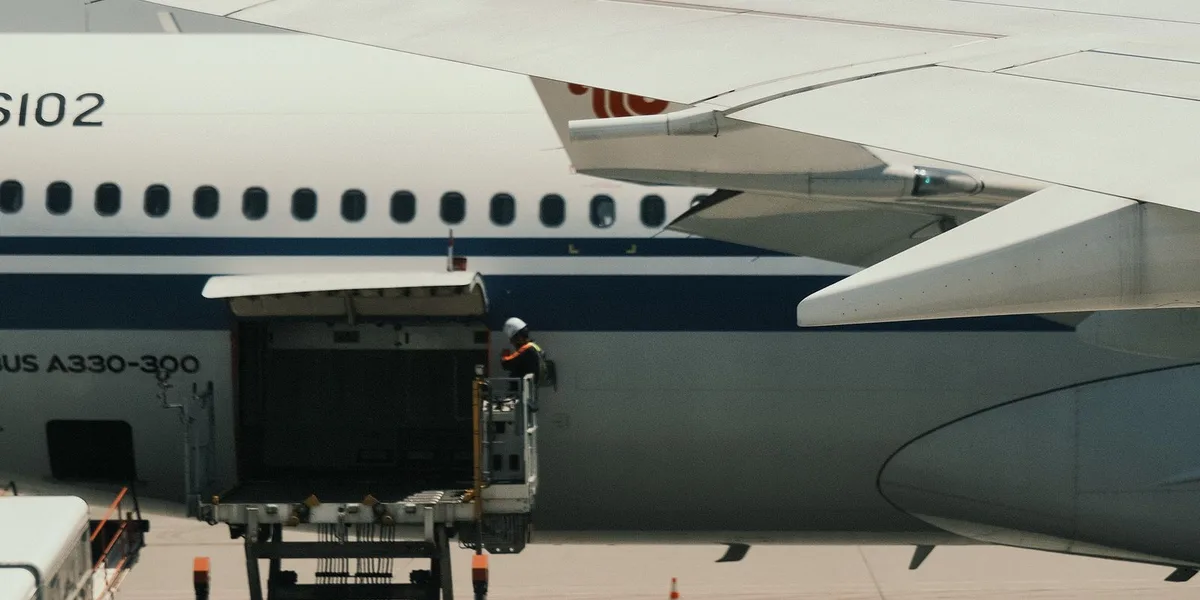
Dangerous goods shipping Dubai services cover air, sea and road transport, but the same three rules apply on every mode: classify the goods correctly, pack and label them to the IMDG Code or the IATA Dangerous Goods Regulations, and declare them with a valid MSDS and DG declaration. When those three steps are right, dangerous goods shipping Dubai shippers use every week — lithium batteries, perfumes, chemicals and aerosols — moves smoothly through Jebel Ali and Dubai’s airports to destinations worldwide.
Before you book, check the MSDS, confirm the UN number and packing group, and ask your forwarder to confirm carrier acceptance for your class and destination. That one check, done early, is the simplest way to keep a dangerous goods shipment on schedule.
Sources: the air rules in this guide follow the IATA Dangerous Goods Regulations, and the sea rules follow the IMDG Code.
Choosing a Provider for Dangerous Goods Shipping Dubai
If you are comparing providers for dangerous goods shipping Dubai, ask each one how they handle DG acceptance, packing and documentation before you compare prices. A good provider for dangerous goods shipping Dubai will confirm the hazard class and packing instruction before quoting, and will explain the DG surcharges in the quote rather than adding them later. That transparency is what makes dangerous goods shipping Dubai reliable, rather than a gamble on the day of loading.


